
- Home/
- Buy Propecia at Low Price in the United States Online
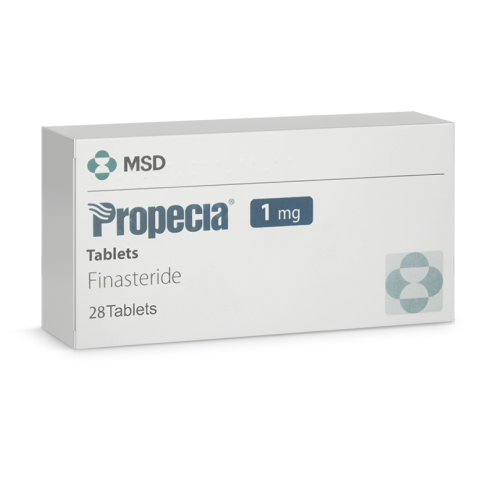
Can I Obtain Propecia Without a Prescription in United States?
No, obtaining Propecia (finasteride) without a prescription is illegal in the United States. Propecia is classified as a prescription medication by the U.S. Food and Drug Administration (FDA), and it must be prescribed by a licensed healthcare provider. Purchasing Propecia from sources that don’t require a prescription is both risky and against federal regulations, potentially exposing you to counterfeit or unsafe products.
Key Takeaways: Propecia (Finasteride) in United States
| Parameter | Details (2026, US) |
|---|---|
| Active Ingredient | Finasteride 1 mg |
| Indication | Male pattern hair loss (androgenetic alopecia) |
| Prescription Required? | Yes (by law) |
| Insurance Coverage | Rare; most plans consider cosmetic |
| Onset of Action | 3–6 months for noticeable improvement |
| Most Common Side Effect | Decreased libido |
| Typical Monthly Price* (2026) | $15–$90 (generic); $70–$180 (brand) |
| Legal Online Access | Telehealth platforms with US-licensed prescribers |
*Prices are estimates and may vary by pharmacy, location, or insurance.
Table of Contents
- Prescription Requirements in United States
- Key Facts: Quick Reference
- How Does Propecia Work?
- Expert Commentary from doctor
- How to Take Propecia Safely: Dosage and Administration
- Interactions with Food, Alcohol, and Lifestyle Factors
- Who Must Avoid Propecia? (Contraindications and Cautions)
- What Side Effects Are Most Common with Propecia?
- Common Patient Mistakes Observed by doctor
- How Does Propecia Compare to Alternatives?
- Questions Frequently Asked to doctor
- What Happens to Propecia in Your Body? (Pharmacokinetics Explained)
- Special Patient Groups: What You Need to Know
- Can Propecia Be Combined with Other Medications?
- How to Obtain Propecia Legally in United States: Step-by-Step
- How to Identify Authentic Propecia and Avoid Counterfeits
- Original vs Generic Propecia: Is There a Real Difference?
- What Should I Do in Case of Overdose?
- What to Do If Propecia Does Not Work
- Psychological Support: You’re Not Alone
- Professional Opinion of doctor
- FAQ: People Also Ask
- References
How Does Propecia Work? (Mechanism of Action Explained)
Propecia contains finasteride, which belongs to a class of drugs known as 5-alpha reductase inhibitors. Specifically, it blocks the type II 5-alpha-reductase enzyme. This enzyme is responsible for converting testosterone into dihydrotestosterone (DHT), a hormone that causes hair follicles in genetically susceptible men to shrink, producing finer hair until growth stops altogether.
By lowering DHT levels in the scalp (by about 60–70%), Propecia helps halt further hair loss and may even stimulate regrowth in some men. Unlike hair growth stimulants, finasteride addresses a root hormonal pathway for male pattern baldness (androgenetic alopecia).
Metaphor: Imagine your hair follicles as plants, and DHT as a weed killer. Propecia acts like a shield that blocks the weed killer, giving your plants (hair) a fighting chance to survive and thrive.
Finasteride is effective regardless of external triggers, but works best when started early in the course of hair loss. Its action is independent of daily events—you don’t need food, sexual activity, or physical triggers for it to work. However, results take time and require consistent, long-term use. Clinical studies suggest significant improvement in hair count after 6–12 months of daily use. [FDA], [PubMed]
Expert Commentary from doctor
As a physician specializing in hair loss, I often encounter patients expecting overnight results from Propecia. In reality, hair growth is gradual, and it’s critical to set realistic expectations—improvement typically becomes evident only after several months. Another common misconception is that stopping Propecia will preserve any gains made, but unfortunately, most benefits are lost within 12 months of discontinuation. I always stress the need for long-term commitment. Some patients also believe that higher doses will accelerate regrowth, but this is not supported by evidence and simply increases the risk of side effects. My recommendation: stick to the prescribed dose, take it consistently, and communicate regularly with your healthcare provider about your progress and any side effects. Lastly, always report any changes in sexual function, as these are not uncommon and can often be managed.
How to Take Propecia Safely: Dosage and Administration
| Parameter | Standard Practice (2026) |
|---|---|
| Starting Dose | 1 mg tablet once daily |
| Maximum Dose | Do not exceed 1 mg/day for hair loss |
| Time to Peak Effect | 3–6 months for visible results |
| Duration of Benefit | Benefits persist only while medication is taken |
| Tablet Splitting | Not recommended (no score line; risk of exposure to handlers) |
| Elderly Patients | No dosage adjustment needed, but consult a doctor |
| Liver/Kidney Impairment | Use with caution; data limited—consult specialist |
For optimal effect, take Propecia at the same time each day. If you miss a dose, take it as soon as you remember (but never double up). Swallow whole with water; do not crush or chew.
Propecia is not approved for use in women or children. Pregnant women must avoid handling crushed or broken tablets due to risk of fetal harm.
Interactions with Food, Alcohol, and Lifestyle Factors
- With Food
- Propecia can be taken with or without food. Food does not significantly impact absorption or effectiveness. However, taking it at the same time daily—regardless of meals—may improve adherence.
- Alcohol
- No direct interaction reported between Propecia and moderate alcohol intake. However, excessive alcohol use may exacerbate sexual side effects and liver stress. Moderation is advised.
- Grapefruit Juice
- No known interactions between grapefruit juice and finasteride. Unlike many other medications, Propecia is not metabolized by CYP3A4 in a way that grapefruit would impact, but always check with your pharmacist on all your medications.
- Lifestyle Factors
- Smoking and stress may worsen hair loss independently. Propecia does not interact with exercise, vitamins, or most supplements, but always inform your provider about any additional products.
Myth vs. Reality: Myth: “A fatty meal will block Propecia’s effect.” Reality: Food, including fats, does not meaningfully reduce Propecia absorption.
Who Must Avoid Propecia? (Contraindications and Cautions)
Absolute Contraindications (never use):
- Known hypersensitivity to finasteride or inactive ingredients (such as lactose or dyes in specific brands)
- Women who are or may become pregnant (handling broken tablets is unsafe)
- Pediatric use (not indicated for children)
Relative Contraindications/Cautions:
- Liver dysfunction: Finasteride is metabolized in the liver; use with caution and consult your provider
- History of prostate cancer: May alter PSA levels and complicate cancer screening
- Men at risk for depression or mental health problems: Rare reports of mood changes and suicidal thoughts
- Use of certain CYP3A4 inhibitors: Theoretical interactions (e.g., ketoconazole, ritonavir), though not clinically significant at standard doses
Important: Propecia is not associated with acute cardiovascular risks, but always discuss your full medical history with your provider.
What Side Effects Are Most Common with Propecia?
| Frequency | Side Effect | Details |
|---|---|---|
| Very Common (>1 in 10) |
Decreased libido | May occur within first months, reversible on discontinuation |
| Common (1 in 100 – 1 in 10) |
Erectile dysfunction, ejaculation disorders | Typically mild to moderate, often resolve with continued use |
| Uncommon (1 in 1,000 – 1 in 100) |
Gynecomastia (breast tenderness/enlargement), testicular pain | Should be discussed with provider if persistent |
| Rare/Very Rare (<1 in 1,000) |
Allergic reactions (rash, swelling), depression, persistent sexual dysfunction, male infertility | Serious: stop medication and seek medical advice |
If any side effect is severe, persistent, or causes distress, contact your healthcare provider immediately. Sudden swelling, breathing difficulty, or hives may signal a serious allergic reaction requiring emergency care.
Common Patient Mistakes Observed by doctor
- Stopping too soon: Many patients give up after 2–3 months without improvement, but Propecia often takes 6 months or more for visible results. Patience pays off.
- Missing doses frequently: Forgetting medication several times a week reduces its effectiveness. Try linking your dose to a daily routine (e.g., brushing teeth).
- Self-adjusting the dose: Taking “extra” tablets or splitting pills is not effective and may increase side effect risk. Stick to the prescribed 1 mg daily.
- Ignoring mental health symptoms: Some men hesitate to discuss mood changes or sexual side effects. Open conversation with your provider is critical. Many solutions exist, including dose adjustment or switching therapy.
- Purchasing from unverified sources: Ordering Propecia from online vendors without prescriptions can expose you to unsafe or counterfeit medications. Always use verified pharmacies.
- Assuming generics are inferior: Most US-approved generics work as well as brand-name Propecia for most patients.
How Does Propecia Compare to Alternatives?
| Product Name | Active Ingredient | Form | Onset of Action | Main Side Effects | Typical Price (per month, 2026, US) | Prescription Needed? |
|---|---|---|---|---|---|---|
| Propecia | Finasteride 1 mg | Oral tablet | 3–6 months | Sexual dysfunction, gynecomastia, mood changes | $15–$90 (generic), $70–$180 (brand) | Yes |
| Minoxidil | Minoxidil 5% | Topical foam/solution | 2–4 months | Scalp irritation, unwanted hair growth | $20–$60 | No (OTC) |
| Dutasteride* | Dutasteride 0.5 mg | Oral capsule | 3–6 months | Sexual dysfunction (may be higher risk than finasteride) | $30–$110 | Yes |
*Dutasteride is not FDA-approved for hair loss in US, but is used off-label under specialist supervision.
- Bottom line: Propecia is orally administered, well-studied, and addresses the hormonal cause of male pattern baldness. Minoxidil is easier to access but does not block DHT. Dutasteride may be more potent but with higher side effect risk and is not officially approved for hair loss in the US.
Questions Frequently Asked to doctor
- Is it safe to take Propecia for many years?
- For most men, long-term use appears safe with regular monitoring. However, you should have annual checkups to reassess need, address side effects, and monitor prostate health.
- Can I combine Propecia with minoxidil?
- Yes, these products work via different mechanisms and are often safely combined for enhanced effect. Discuss this with your doctor to ensure suitability for your specific case.
- What if I forget a dose?
- Take it as soon as you remember within the same day, but never double-dose. One missed tablet is unlikely to impact results, but frequent missed doses will.
- Will Propecia affect my fertility?
- In rare cases, sperm count and quality may be temporarily affected. These changes are typically reversible upon stopping the drug. If you are planning to conceive, discuss with your doctor first.
- Are sexual side effects permanent?
- Most resolve after stopping Propecia, but rare cases of persistent symptoms have been reported. Always report any side effects promptly for evaluation and management.
- Is it safe to drink alcohol while taking Propecia?
- Moderate alcohol consumption is not contraindicated, but excessive drinking may worsen some side effects. Always use alcohol in moderation and inform your doctor of your drinking habits.
- Should older men take Propecia?
- There’s no strict upper age limit, but older men may have a lower benefit and higher risk of prostate-related issues. Discuss all risks and benefits with your physician.
What Happens to Propecia in Your Body? (Pharmacokinetics Explained)
- Absorption: Rapidly absorbed after oral administration; peak blood levels in 1–2 hours.
- Metabolism: Primarily metabolized by the liver via CYP3A4 enzyme system.
- Elimination: About 40% excreted in urine, 60% in feces as metabolites.
- Half-life (T1/2): Approximately 4.8–6 hours in healthy adults; may be prolonged in elderly or those with hepatic impairment.
- Steady-state: Reached after daily use for 3–4 days.
Implication: Because it’s metabolized by the liver, dose adjustments may be needed for patients with significant liver disease. There’s no significant accumulation in healthy kidneys.
Special Patient Groups: What You Need to Know
- Liver Disease: Use only with close monitoring; consult a hepatologist if you have advanced liver disease.
- Chronic Kidney Disease: Minor role in drug clearance; no adjustment generally needed, but caution advised.
- Older Adults (>70): Reduced benefit and increased risk of prostate complications; discuss risks with your physician.
- Fertility Concerns: Temporary changes in sperm observed in rare cases; usually reversible.
- Pregnancy and Breastfeeding: Propecia is not safe for women during pregnancy or breastfeeding—risk of birth defects in male fetuses if exposed.
- Operating Machinery or Driving: No evidence that Propecia impairs alertness or reaction time.
Note: If you have a history of depression or suicidal ideation, inform your doctor, as mood changes (including rare reports of suicidal thoughts) have been described with finasteride.
Can Propecia Be Combined with Other Medications? (Compatibility Checklist)
| Medication/Product | Can Be Combined? | Consequences/Notes |
|---|---|---|
| Aspirin | Yes | No clinically significant interaction |
| Minoxidil (topical) | Yes | Often combined for additive effect |
| Ketoconazole | With caution | May increase finasteride levels, but not usually significant at hair loss doses |
| Testosterone therapy | Yes, but discuss with doctor | May partially counteract each other’s effects |
| Herbal supplements (e.g., saw palmetto) | With caution | Limited data; potential for additive inhibition of DHT, monitor for side effects |
| Nitrates (for chest pain) | Yes | No direct interaction (unlike erectile dysfunction drugs), but always inform your provider |
How to Obtain Propecia Legally in United States: Step-by-Step
- Consultation: Schedule an appointment with a licensed physician—either in person or through a reputable telehealth platform (e.g., in New York, Los Angeles, Chicago, and nationwide).
- Medical Evaluation: Complete a medical history and assessment to confirm diagnosis (male pattern hair loss) and rule out contraindications.
- Prescription Issuance: If appropriate, your healthcare provider will issue an electronic prescription (eRx), usually sent directly to your chosen pharmacy.
- Medication Fill: Pick up Propecia from a local licensed pharmacy or opt for delivery from a US-licensed mail-order pharmacy. Verify online pharmacies through the .pharmacy program.
- Follow-up: Schedule follow-up with your provider at 3–6 months to monitor for efficacy and side effects.
Never purchase Propecia from websites that do not require a prescription—these are frequently sources of counterfeit or unsafe drugs, and you risk legal penalties in the US.
How to Identify Authentic Propecia and Avoid Counterfeits
- Packaging: Official Propecia comes in blister packs, with Merck or authorized manufacturer labeling, and a US NDC (National Drug Code) number.
- Tablet Appearance: Propecia 1 mg tablets are film-coated, tan, with “PROPECIA” and “MSD 71” imprint (or generic equivalent markings).
- Security Features: Many US pharmacies now use tamper-evident packaging and may include QR codes or holograms.
- Price “Too Good to Be True”: Extremely low prices from unknown websites are a common red flag for counterfeits.
- Check the Source: Only use US-licensed pharmacies, which can be confirmed via the National Association of Boards of Pharmacy.
Generics: FDA-approved generics must meet the same standards for safety, effectiveness, and quality. Tablet shape, color, and imprint may differ—check the prescription label for the manufacturer.
Original vs Generic Propecia: Is There a Real Difference?
| Parameter | Brand Propecia | Generic Finasteride |
|---|---|---|
| Regulatory Approval | FDA-approved | FDA-approved |
| Active Ingredient | Finasteride 1 mg | Finasteride 1 mg |
| Inactive Ingredients (Excipients) | May contain different dyes, fillers | May contain different dyes, fillers |
| Effectiveness | Clinically equivalent | Clinically equivalent |
| Cost per Month | $70–$180 | $15–$90 |
| Appearance | Tan, PROPECIA MSD71 | Varies by manufacturer |
Generic finasteride offers comparable effect and safety, with significant savings. If you have allergies to dyes or fillers, ask your pharmacist for a complete ingredient list for your specific generic.
What Should I Do in Case of Overdose?
- Stop taking Propecia immediately.
- Call 911 or your local emergency services in United States.
- Inform the medical team of the exact dose and time taken.
- Bring the medication bottle/packaging with you to the hospital.
- Monitor for symptoms such as severe dizziness, chest pain, or difficulty breathing.
Note: No specific antidote exists; treatment is supportive. Propecia overdose is rarely life-threatening but should always be managed by professionals.
What to Do If Propecia Does Not Work
- Confirm you have used Propecia consistently for at least 6–12 months.
- Assess for underlying causes of hair loss (such as thyroid disease, stress, or nutritional deficiencies).
- Discuss possible dose adjustment or combination therapy (e.g., with minoxidil) with your provider.
- Consider referral to a dermatologist or hair loss specialist for further evaluation.
- Explore alternative solutions: hair transplant, low-level laser therapy, or PRP, depending on your goals and health status.
Some men may be “non-responders” due to genetics or advanced hair loss—early intervention provides the highest success rates.
Psychological Support: You’re Not Alone
Hair loss is common and can be emotionally challenging. You are not alone. Many men experience frustration, embarrassment, or low self-esteem due to hair loss. If you find your mood or anxiety affected, talk openly with your healthcare provider or a mental health professional. Support groups and open conversations with partners can be invaluable.
Professional Opinion of doctor
As a physician, I find Propecia most beneficial for men in the early stages of androgenetic alopecia—especially those who wish to prevent further hair loss and are willing to commit to daily use for the long term. The benefits are well-documented, particularly in men under 40 with minimal thinning. However, the drug is not a miracle cure: those with extensive baldness or scarring won’t see regrowth, and discontinuation will lead to loss of gained hair. The main risks involve sexual side effects, mood changes, and rare reports of persistent dysfunction—even after stopping therapy. In men with a strong family history of prostate cancer, the drug’s impact on PSA screening must also be considered. For patients unable to tolerate Propecia, or for those concerned about side effects, minoxidil or procedural options may be preferable. In all cases, I recommend regular follow-up, open communication about side effects, and a holistic approach to hair loss, including potential psychological support.
FAQ: People Also Ask
- Can I get Propecia without a prescription in United States?
- No. Propecia is a prescription medication and must be obtained through a licensed healthcare provider and pharmacy.
- How long does it take for Propecia to work?
- Most men see noticeable improvement after 3–6 months of daily use. Maximum benefit is usually reached at 12 months.
- Are generic finasteride tablets as effective as brand-name Propecia?
- Yes. FDA-approved generics are considered clinically equivalent to Propecia in terms of effectiveness and safety.
- What happens if I stop taking Propecia?
- Any hair regrowth or preservation achieved will usually be lost within 12 months of stopping the medication.
- Can women take Propecia for hair loss?
- No. Propecia is not approved for use in women and may cause birth defects if handled during pregnancy.
- Is Propecia covered by insurance?
- Rarely. Most US insurance plans consider treatment for hair loss cosmetic and do not cover Propecia.
- What is the typical price of Propecia in United States?
- Generic finasteride typically costs $15–$90 per month; brand-name Propecia may cost $70–$180 per month, depending on pharmacy and location.
- Can I drink alcohol while taking Propecia?
- Moderate alcohol is not contraindicated, but excessive drinking could worsen side effects. Always use in moderation.
References
- FDA. “Propecia (finasteride) prescribing information.” U.S. Food and Drug Administration. Accessed 2026. https://www.fda.gov
- PubMed. “Efficacy and safety of finasteride in the treatment of male pattern hair loss: A systematic review and meta-analysis (2024).” National Institutes of Health. https://pubmed.ncbi.nlm.nih.gov
- Mayo Clinic. “Finasteride (Oral Route): Precautions and Side Effects.” Accessed 2026. https://www.mayoclinic.org
- ClinicalTrials.gov. “Finasteride and male pattern hair loss.” Accessed 2026. https://clinicaltrials.gov
- National Association of Boards of Pharmacy. “Verified Internet Pharmacy Practice Sites (VIPPS)”. Accessed 2026. https://nabp.pharmacy/programs/dotpharmacy/
- American Academy of Dermatology. “Hair loss: Who gets and causes.” Accessed 2026. https://www.aad.org