
- Home/
- Buy Doxycycline Without Prescription in the United States Online
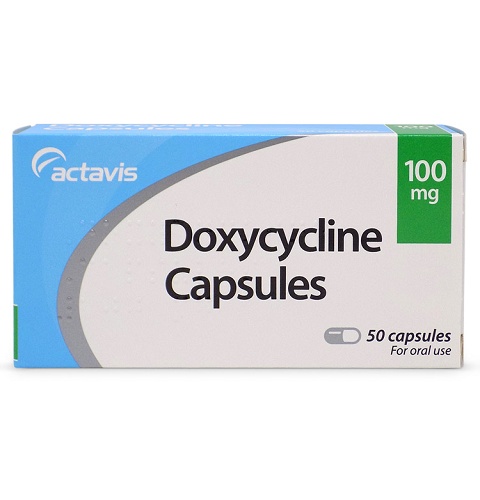
Comprehensive Guide to Doxycycline in the United States: Uses, Safety, Prescription Rules, and Expert Advice
Is a Prescription Needed for Doxycycline in the United States?
No, you cannot legally obtain Doxycycline in the United States without a prescription. Doxycycline is a prescription-only antibiotic regulated by the U.S. Food and Drug Administration (FDA). Purchasing or using Doxycycline without an authorized U.S. prescription is illegal and may put your health at risk.
Key Takeaways: Doxycycline at a Glance (2026)
- Active Ingredient: Doxycycline hyclate/monohydrate
- Indications: Wide range of bacterial infections (respiratory, skin, STIs, tick-borne diseases, acne, more)
- Prescription Status: Prescription required in the U.S.
- Typical Dose: 100mg once or twice daily; always individualized
- Contraindicated in: Pregnancy (especially 2nd/3rd trimester), children under 8 years, severe liver/kidney disease, known allergy
- Interactions: Dairy, antacids, iron, some anticoagulants
- Common Side Effects: GI upset, photosensitivity, yeast infections
- Price Range (Generic): $12–$40 per 20-tablet course (2026 estimates, varies by pharmacy/insurance)
- Coverage: Often partially or fully covered by U.S. insurance plans
How Does Doxycycline Work? Detailed Mechanism of Action
Doxycycline is a tetracycline-class, broad-spectrum antibiotic that inhibits bacterial protein synthesis. Specifically, it binds to the 30S ribosomal subunit of bacteria, blocking the attachment of aminoacyl-tRNA to the messenger RNA-ribosome complex. As a result, bacteria are unable to produce the proteins necessary for growth and replication, leading to a bacteriostatic effect (it stops bacteria from multiplying, rather than killing them outright).
Doxycycline does not affect viral, fungal, or non-infectious inflammatory conditions. Its activity spectrum covers many Gram-positive and Gram-negative bacteria, as well as atypical organisms (e.g., Mycoplasma, Chlamydia, Rickettsia). It is effective in various tissues including lungs, skin, and reproductive organs, but only if the infecting organism is sensitive.
In plain terms: Doxycycline acts like a lock on the assembly line of the bacteria’s factory, preventing workers (the ribosome machinery) from assembling new products (bacterial proteins). Without protein production, bacteria can’t reproduce and lose their ability to cause disease.
Myth vs Reality:
Myth: “Doxycycline kills all germs, including viruses.”
Reality: Doxycycline only works against bacteria and certain atypical pathogens—not viruses like those that cause colds or the flu.
Sources: See References.
Expert Commentary from doctor
In my clinical practice, I often see patients expecting Doxycycline to provide instant relief or to be a ‘catch-all’ for infections. It’s crucial to remember that the bacteriostatic action means symptom improvement may take 1–3 days, not hours. Also, adherence is everything—stopping early fosters resistance and treatment failure. A frequent pitfall: mixing Doxycycline with dairy or antacids, which can significantly reduce absorption and make the antibiotic less effective. I always emphasize taking it with water, upright, and avoiding lying down immediately after (to reduce risk of esophageal irritation). Finally, sunburn risk is real—many underestimate Doxycycline’s photosensitizing effects, especially during summer months or vacations.
Doxycycline Dosage and Administration: Detailed Instructions
| Indication | Typical Adult Dose | Duration | Special Notes |
|---|---|---|---|
| Acute infection (e.g., respiratory, UTI, skin) | 100mg every 12 hours first day, then 100mg daily | 5–14 days | Course depends on infection type |
| Acne | 50–100mg daily | Weeks to months | Monitor for GI, yeast infection |
| Lyme disease | 100mg every 12 hours | 10–21 days | Early initiation improves outcomes |
| Malaria prophylaxis | 100mg daily (start 1–2 days before travel) | Continue during and for 4 weeks after travel | Adherence critical |
- Maximum daily dose: 200mg in adults, unless directed otherwise by a specialist.
- Children under 8 years: Contraindicated (risk of tooth discoloration, bone effects).
- Elderly/patients with mild renal impairment: No routine dose adjustment, but monitor for side effects.
- Liver impairment: Use with caution or avoid in severe cases—consult a specialist.
- Splitting tablets: Only split scored tablets if directed by a pharmacist or doctor. Many doxycycline tablets/capsules should not be split.
- Administration: Take with a full glass of water, upright, do not lie down for at least 30 minutes after administration.
Peak effect: 2–6 hours after oral dose.
Duration: 12–24 hours, depending on formulation.
Always complete the full prescribed course—even if symptoms improve early.
How Does Food, Alcohol, and Lifestyle Affect Doxycycline?
- Can I take Doxycycline with food?
- Food can decrease stomach upset, but high-fat meals and especially dairy products (milk, cheese, yogurt) can significantly reduce absorption by up to 20–40%. Take at least 1–2 hours before or after dairy and antacids (including calcium, magnesium, or iron supplements).
- Alcohol:
- Moderate alcohol intake does not appear to have major interactions with doxycycline. However, heavy or chronic alcohol use may increase the risk of liver side effects and reduce the drug’s effectiveness. In liver disease, alcohol use during treatment is strongly discouraged. If in doubt, abstain.
- Grapefruit juice:
- No significant interaction reported with doxycycline. However, always check with your pharmacist as formulations may interact differently.
- Other medications:
- Antacids, iron, calcium, certain cholesterol medications (cholestyramine) can all reduce absorption. Take doxycycline at least 2 hours before or after these products.
- Sun exposure:
- Doxycycline increases sun sensitivity. Use broad-spectrum sunscreen, cover skin, and avoid tanning beds.
When Should Doxycycline Be Avoided? (Contraindications & Cautions)
| Absolute Contraindications | Relative/Conditional Contraindications |
|---|---|
|
|
Cardiovascular risk: No direct arrhythmia or blood pressure interactions. However, rare cases of pericarditis have been reported.
Drug Interactions: Avoid use with other hepatotoxic (liver-toxic) drugs when possible. Antacids, iron, calcium, magnesium reduce absorption.
Recent major illness: After severe infection, seek specialist advice before using doxycycline again.
What Side Effects Are Most Common with Doxycycline?
| Frequency | Adverse Effect | Mechanism | What To Do |
|---|---|---|---|
| Very common (>1 in 10) |
GI upset (nausea, diarrhea) | Direct irritation of GI mucosa | Take with small food (not dairy), water |
| Common | Sunburn (photosensitivity) | Increased skin sensitivity to UV light | Use sunscreen, avoid sun |
| Common | Vaginal or oral yeast infections | Disruption of normal flora | Consult your provider |
| Rare | Severe allergic reaction (anaphylaxis) | Immune-mediated | Seek emergency care |
| Very rare | Pseudomembranous colitis (C. difficile infection) | Disturbed gut microbiota | Stop drug, urgent care |
| Very rare | Esophageal ulceration | Tablet lodging in throat | Take with water, upright |
| Very rare | Permanent tooth discoloration (children) | Deposition in developing teeth | Contraindicated in <8 years |
If you experience swelling of the lips, face, or throat, difficulty breathing, or a severe rash—call 911 or go to the ER immediately.
For moderate side effects (nausea, diarrhea, mild rash), contact your prescriber for advice. Do not stop antibiotics without consulting your provider.
Common Patient Mistakes Observed by doctor
- Stopping Doxycycline when feeling better—This fuels antibiotic resistance and incomplete cure. Solution: Always finish the prescribed course unless your provider tells you to stop.
- Taking it with milk, yogurt, or antacids—These lower absorption by binding the drug. Solution: Take at least 2 hours before/after these products.
- Not using sun protection—Doxycycline causes heightened sunburn risk. Solution: Use broad-spectrum SPF 30+ sunscreen, protective clothing, and avoid peak sun hours.
- Lying down immediately after dosing—Leads to esophageal irritation/ulcers. Solution: Stay upright for at least 30 minutes after taking your pill.
- Missing doses or taking irregularly—Reduces effectiveness and increases resistance. Solution: Set reminders or use a pill organizer.
- Sharing antibiotics with others—Dangerous and illegal. Solution: Never give or borrow prescription medicines.
Doxycycline vs Alternatives: Comparison Table (United States, 2026)
| Antibiotic | Common Uses | Dosage | Onset | Major Side Effects | Estimated Price (20-tablet course) | Insurance Coverage |
|---|---|---|---|---|---|---|
| Doxycycline (generic) | Acne, tickborne, respiratory, STIs | 100mg 1–2x daily | 1–3 days | GI upset, sunburn | $12–$40 | Usually covered |
| Azithromycin | Respiratory, STIs, skin | 500mg day 1, then 250mg | 1–2 days | GI upset, prolonged QT | $20–$60 | Usually covered |
| Amoxicillin | Respiratory, ENT, dental, UTI | 500mg 2–3x daily | 1–2 days | Rash, GI upset, allergy | $10–$35 | Usually covered |
| Minocycline | Acne, respiratory, skin | 50–100mg 1–2x daily | 1–3 days | Dizziness, skin color change | $20–$45 | Usually covered |
Bottom line: Doxycycline is cost-effective and has broad coverage but should not be chosen for every infection. Alternatives may be preferred for certain bacteria or in cases of allergy/intolerance.
Questions Frequently Asked to doctor
- Can I take Doxycycline if I’m allergic to penicillin?
- Yes, doxycycline is unrelated to penicillins and is often used in patients with penicillin allergies. Still, always inform your provider about all allergies before starting new medications.
- What if I miss a dose?
- Take the missed dose as soon as you remember, unless it’s almost time for your next dose. Never double up to “catch up.” Resume your regular schedule as soon as possible.
- How soon will I feel better?
- Most people notice symptom improvement within 48–72 hours, but full benefit takes completing the course. If you get worse or see no change after 3–4 days, contact your provider.
- Is it safe to take Doxycycline long-term for acne?
- Short courses (up to 3 months) are standard. Long-term use can increase yeast infections and resistance. Your dermatologist should monitor you and may discuss rotating or stopping therapy periodically.
- Can I drink alcohol during Doxycycline treatment?
- Moderate, occasional consumption is not strictly contraindicated, but heavy use can stress your liver and reduce drug effectiveness. If unsure, abstain during therapy.
- Are there age restrictions for Doxycycline?
- Yes—Doxycycline is contraindicated in children under 8 due to risk of permanent teeth discoloration and effects on bone growth. Older children and adults may use it when indicated.
- Does Doxycycline affect birth control?
- Current evidence suggests Doxycycline does not significantly reduce the efficacy of most oral contraceptives, but severe diarrhea or vomiting can compromise absorption. Use backup contraception if you have GI upset.
Key Characteristics Table: Doxycycline
| Parameter | Value |
|---|---|
| Drug class | Tetracycline antibiotic |
| Common strengths | 50mg, 75mg, 100mg tablets/capsules |
| Prescription status (U.S.) | Rx only (FDA-regulated) |
| Time to peak concentration | 1.5–4 hours |
| Half-life | 16–22 hours (adults, normal kidneys/liver) |
| Route of elimination | Biliary (feces) and renal (urine) |
| Formulations available | Tablets, capsules, suspension, IV (hospital use) |
| Generic availability | Yes (multiple U.S. FDA-approved generics) |
| Insurance coverage | Often covered, check plan specifics |
How to Obtain Doxycycline Legally in the United States: Step-by-Step
- Consultation with a licensed healthcare provider (in person or via telehealth): Discuss your symptoms, medical history, and determine if doxycycline is appropriate.
- Receive a prescription (electronic or paper): Your provider will send your prescription to your chosen pharmacy, or provide a signed copy if needed.
- Choose a licensed pharmacy: Fill your prescription at a local or verified online pharmacy. Only select U.S.-licensed pharmacies are authorized to dispense antibiotics. Look for the NABP .pharmacy Verified designation for online sources.
- Pick up or arrange for delivery: Many U.S. pharmacies and telemedicine platforms offer home delivery with proof of prescription. Insurance may help cover the cost—bring your insurance card.
- Follow directions exactly as prescribed. Never take antibiotics obtained without a valid prescription.
Is it Legal to Buy Doxycycline Online in the United States? Counterfeit Risk & Legal Advice
In the U.S., it is illegal to buy Doxycycline online without a valid prescription from a licensed provider. U.S. law treats antibiotics as prescription-only to protect public health and prevent antimicrobial resistance.
Risks of using “no prescription” websites:
- High risk of counterfeit or expired drugs (wrong dosage, contamination, no efficacy)
- Personal legal liability—importing unapproved drugs may result in seizure, fines, or criminal charges
- No recourse in case of adverse effect or injury
- Require a U.S.-issued prescription
- Display .pharmacy, VIPPS, or similar verification
- List a physical U.S. address and state licensure
- Provide pharmacist contact for consultation
How to Identify Genuine Doxycycline: US-Approved Packaging and Quality Check
- Packaging: U.S. FDA-approved doxycycline comes in factory-sealed blister packs or pharmacy-labeled bottles. Look for clear lot numbers, expiration dates, and manufacturer info.
- Tablet/capsule appearance: Uniform color (usually yellow, orange, or greenish), no powdery residue, no misspelled words or blurry printing. Scored tablets may be split, but check with your pharmacist.
- Security features: Some manufacturers include QR codes, holograms, or tamper-evident seals. U.S. pharmacy bottles always have a pharmacy label with your name and dose.
- Price “too good to be true”: Beware of online offers drastically below $10–$15 for a 20-tablet course.
Generics: U.S. generics must meet FDA bioequivalence standards. Excipients (inactive ingredients) may vary—consult your pharmacist if you have allergies.
Compatibility Check: Doxycycline with Other Medications and Products
| Product / Substance | Can It Be Combined? | Consequence / Advice |
|---|---|---|
| Birth control pills | Yes* | No major interaction; backup contraception if vomiting/diarrhea |
| Alcohol (moderate) | Yes** | Limit use; heavy alcohol increases liver risk |
| Dairy, calcium, antacids | No (at same time) | Take 2 hours apart—reduces absorption |
| Iron supplements | No (at same time) | Take 2 hours apart—reduces absorption |
| Blood thinners (warfarin) | With caution | Monitor INR closely—doxycycline may potentiate effect |
| Retinoids (isotretinoin, acitretin) | No | Increases risk of pseudotumor cerebri (benign intracranial hypertension) |
| Other antibiotics | Case by case | Check with your doctor—may increase resistance |
* Always consult your provider if you are on hormonal contraception.
** Avoid if you have liver disease or heavy drinking habits.
Special Considerations: Who Should Take Extra Care with Doxycycline?
- Pregnant women: Contraindicated—can affect fetal bone/teeth development, especially after 15 weeks gestation.
- Breastfeeding: Avoid if possible—doxycycline is excreted in breast milk and may affect infant tooth/bone growth.
- Children under 8: Contraindicated unless absolutely necessary.
- Patients with liver or kidney disease: Monitor closely; may require specialist management.
- Immunocompromised individuals: May need alternative agents or close follow-up for treatment effectiveness.
- Ability to drive or operate machinery: Doxycycline does not typically impair alertness, but severe side effects (dizziness, headache) warrant caution.
- Fertility: No evidence supporting impact on fertility in men or women.
Doxycycline in the Body: Pharmacokinetics Simplified
- Absorption: 90–100% oral bioavailability; reduced by simultaneous intake of dairy, antacids, or iron.
- Distribution: Wide tissue penetration (lungs, skin, reproductive organs). Crosses placenta.
- Metabolism: Minimal liver metabolism—most remains unchanged.
- Elimination: Primarily via feces (bile), some renal (urine). Safer than older tetracyclines in renal impairment.
- Half-life: Roughly 16–22 hours in healthy adults.
For patients with kidney disease: Dose adjustment usually not required, but report any unusual side effects.
For those with liver disease: Use with caution; consult your doctor for monitoring.
Original Doxycycline vs Generics: What’s the Real Difference?
- Active ingredient: Identical in U.S. FDA-approved generics and branded products.
- Efficacy: Generics are required to demonstrate bioequivalence (same absorption/metabolism) as branded drugs.
- Excipients: Inactive ingredients may vary (colorings, fillers). If you have allergies, ask for an ingredient list.
- Price: Generics are usually much less expensive and are covered by most insurance plans.
- Counterfeit risk: Use only U.S.-licensed pharmacies—counterfeit risk is nearly zero through legitimate sources.
Bottom line: For most people, U.S.-approved generics are just as safe and effective as brand-name Doxycycline at a lower cost.
What to Do in Case of Doxycycline Overdose: Step-by-Step
- Stop taking Doxycycline immediately.
- Call your local poison control center (1-800-222-1222 in the US) or 911.
- Provide the following information:
- Amount and time of ingestion
- Any symptoms (vomiting, confusion, severe rash, etc.)
- List of all medications and supplements taken
- Do not induce vomiting unless instructed by a medical professional.
- Bring the medication packaging to the ER if possible.
Symptoms of overdose may include severe nausea, vomiting, liver toxicity, and rarely, life-threatening allergic reactions.
Professional Opinion of doctor
In my professional judgment, Doxycycline is a proven and versatile antibiotic, especially valuable for tick-borne diseases, respiratory infections, and certain STIs in the United States. Its low cost and broad spectrum are major strengths, but I always reinforce that it’s not a cure-all. Benefits are maximized when prescribed for lab-confirmed or highly suspected bacterial infections, and adherence is non-negotiable to avoid resistance. Some patients—such as those with allergies, pregnant women, or children—should avoid Doxycycline entirely, and specialist guidance is essential in these groups. When a patient has a history of GI sensitivity or sunburn, I often consider alternatives like azithromycin or amoxicillin, which may be better tolerated in some cases. The key is personalized therapy: no antibiotic, including Doxycycline, should be used lightly or without medical oversight. If in doubt, always consult an infectious diseases specialist or your primary care provider.
FAQ: People Also Ask About Doxycycline in the United States
- Can I legally buy Doxycycline without a prescription in the U.S.?
- No, Doxycycline is prescription-only. Purchasing or using it without a prescription is illegal and unsafe.
- How quickly does Doxycycline start to work?
- Most people notice improvement within 2–3 days, but full benefits require completing the prescribed course.
- Are there foods or drinks I should avoid?
- Yes—avoid dairy, antacids, and iron around dosing time. Separate by at least 2 hours to maximize absorption.
- What should I do if I miss a dose?
- Take it as soon as you remember unless it’s almost time for your next dose. Never double up doses.
- What side effects are most common?
- GI upset (nausea, diarrhea), sunburn, and yeast infections are most common. Severe allergic reactions are rare but require emergency care.
- Is Doxycycline safe in pregnancy or breastfeeding?
- No, it is contraindicated in pregnancy (especially after the 15th week) and generally avoided while breastfeeding.
- How much does generic Doxycycline cost in the U.S.?
- Typical 20-tablet course costs $12–$40 (2026 estimates); insurance often further reduces out-of-pocket cost.
- Does Doxycycline interact with birth control?
- Generally, no. However, severe GI upset may still reduce contraceptive efficacy—use backup methods if this occurs.
- Can I drive while taking Doxycycline?
- Yes, unless you experience dizziness, headache, or vision changes. If you develop these, avoid driving and contact your provider.
Empathy & Support
If you’re dealing with an infection or a chronic condition requiring Doxycycline, you’re not alone. Many people in the United States safely use this medication every year. Don’t hesitate to discuss concerns with your provider or pharmacist—and remember, seeking help is a sign of strength, not weakness.
References
- U.S. Food and Drug Administration (FDA). Drug Safety Information. https://www.fda.gov/drugs
- Mayo Clinic. Doxycycline (Oral Route) Description and Brand Names. https://www.mayoclinic.org/drugs-supplements/doxycycline-oral-route/description/drg-20072091
- Centers for Disease Control and Prevention (CDC). Doxycycline: Drug Information and Dosing. https://www.cdc.gov/drug-resistance/doxycycline.html
- PubMed. Recent Reviews on Doxycycline (2023–2025). https://pubmed.ncbi.nlm.nih.gov
- NABP .Pharmacy Verified Sites. https://nabp.pharmacy/programs/dotpharmacy/
- World Health Organization (WHO). Model List of Essential Medicines – Doxycycline. https://www.who.int/medicines/publications/essentialmedicines/en/
- American Academy of Dermatology. Doxycycline for Acne. https://www.aad.org/public/diseases/acne/derm-treat/doxycycline
Remember: Always consult a licensed medical professional in the United States before starting or stopping any medication, especially antibiotics like Doxycycline. This guide does not replace individualized medical care.