
- Home/
- Buy Priligy Without Prescription in the United States Online
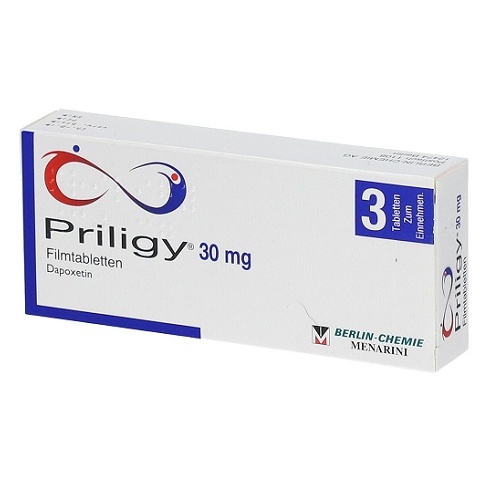
Complete Guide to Priligy (Dapoxetine) Use in United States: Benefits, Risks, Legal Pathways, and Expert Insights
Can Priligy Be Purchased Without a Prescription in United States?
No, Priligy (dapoxetine) cannot be purchased legally without a prescription in United States. It is a prescription-only medication. Any offers for Priligy without a prescription—especially online—should be considered suspicious and carry a high risk of counterfeit, legal, and health hazards.
Key Takeaways: Quick Facts on Priligy
- Active Ingredient: Dapoxetine (a short-acting selective serotonin reuptake inhibitor, SSRI)
- Main Use: Treatment of premature ejaculation (PE) in adult men (age 18–64)
- Onset: 1–3 hours after single oral dose
- Duration: About 4–6 hours
- Prescription Status in US: Prescription required (Rx only)
- Absolute Contraindications: Significant heart disease, severe liver impairment, concurrent use with certain antidepressants or MAOIs
- Most Common Side Effects: Nausea, dizziness, headache, diarrhea, insomnia
- Legal Pathways: Obtainable by physical or telemedicine consultation with a licensed US healthcare provider
- Insurance Coverage: Typically not covered; out-of-pocket prices range from $30–$100 per dose, depending on pharmacy and insurance plan
How Does Priligy (Dapoxetine) Work? Pharmacological Mechanism Explained
Priligy contains dapoxetine, a short-acting selective serotonin reuptake inhibitor (SSRI) developed specifically for on-demand use in premature ejaculation. Unlike standard SSRIs used in depression, dapoxetine is rapidly absorbed and eliminated.
Mechanistically, dapoxetine blocks the serotonin transporter (SERT), increasing serotonin levels in the synaptic cleft in the brain. Serotonin modulates ejaculation reflexes. By boosting its action, dapoxetine delays the ejaculatory reflex via action on the lateral paragigantocellular nucleus and related neural pathways. This is distinct from its use as an antidepressant: dapoxetine’s short half-life (1.3–1.5 hours) allows for burst effect with minimal accumulation.
Simplified metaphor: Imagine serotonin as the “brake pedal” for premature ejaculation. Priligy helps push that brake, giving more control over timing.
For effectiveness, sexual stimulation is required. The drug does not increase libido or treat underlying psychological causes.
Myth vs Reality: Myth: Priligy works instantly, like a magic switch. Reality: It only works when taken 1–3 hours before anticipated sexual activity and requires sexual arousal to be effective.
References: FDA, PubMed, Mayo Clinic
Expert Commentary from doctor
In my clinical practice, I often see men expecting Priligy to resolve all aspects of premature ejaculation, even in cases rooted mainly in performance anxiety or relationship issues. It’s crucial to understand that Priligy doesn’t address psychological triggers or underlying anxiety; it works on neurochemical pathways that delay ejaculation. I always advise patients to combine Priligy with behavioral techniques or counseling for best results. Also, taking the tablet “just before” intercourse isn’t effective—timing is essential, and so is ensuring no contraindicated medications are present.
How to Take Priligy: Dosage, Onset, Duration, and Use in Special Populations
| Parameter | Recommendation |
|---|---|
| Standard starting dose | 30 mg, taken 1–3 hours before anticipated sexual activity |
| Maximum dose | 60 mg per occasion, not more than once in 24 hours |
| Peak effect | 1–2 hours after intake |
| Duration of action | 4–6 hours |
| Splitting the tablet | Not recommended; tablets are not scored and may not split evenly |
| Use in elderly (65+) | Not established; use not recommended due to insufficient data |
| Renal impairment | Mild: caution; Moderate/severe: not recommended |
| Hepatic impairment | Mild: caution; Moderate/severe: contraindicated |
Important: Priligy is designed for on-demand use, not daily therapy. If you miss the timing window (1–3 hours before sexual activity), do not double the dose. Do not exceed one tablet in 24 hours to prevent toxicity.
Priligy and Food, Alcohol, and Lifestyle: What You Must Know
- Food Interactions
- Can be taken with or without food. High-fat meals may delay absorption by up to 60 minutes, but do not reduce efficacy. For fastest onset, take on an empty stomach with water.
- Alcohol Interactions
- Drinking alcohol with Priligy increases the risk of dizziness, drowsiness, fainting, and may worsen orthostatic hypotension (sudden drop in blood pressure). Heavy drinking (over 2 drinks or 30 g ethanol) is strongly discouraged. Combining with alcohol can increase the risk of accidental injury.
- Grapefruit Juice
- No clinically significant interaction reported, but grapefruit can theoretically alter blood levels of certain medications. Out of caution, avoid consuming large amounts around Priligy intake.
- Driving and Machinery
- Due to risk of sudden dizziness and syncope, avoid driving or operating hazardous machinery until you know how Priligy affects you.
Bottom line: For safety, take Priligy with a full glass of water, avoid excessive alcohol, and be cautious with heavy meals or new activities after the first dose.
Who Should Not Take Priligy? Absolute and Relative Contraindications
| Type | Contraindication | Why |
|---|---|---|
| Absolute | Hypersensitivity to dapoxetine or excipients | Risk of allergic reaction |
| Absolute | Significant heart disease (heart failure, arrhythmia, heart block) | Increases risk of fainting, arrhythmia |
| Absolute | Concomitant use of MAOIs, thioridazine, SSRIs, SNRIs, tricyclic antidepressants | High risk of serotonin syndrome, dangerous interactions |
| Absolute | Moderate or severe liver impairment | Drug accumulation and toxicity |
| Absolute | History of syncope (recurrent fainting) | Raised risk with Priligy |
| Relative | Mild-to-moderate kidney impairment | Slower drug clearance; monitor closely |
| Relative | History of psychiatric illness (depression, mania, bipolar disorder) | Increased risk of psychiatric side effects |
| Relative | Age over 65 | Limited safety/efficacy data |
Important: Never combine Priligy with other serotonergic medications unless specifically approved by your prescriber.
Myth vs Reality: Myth: Priligy is safe for anyone because it’s used “just once.” Reality: Serious complications can occur in at-risk individuals, even with a single dose.
What Side Effects Are Most Common with Priligy?
- Very common (≥1/10): Nausea
- Common (≥1/100 to <1/10): Dizziness, headache, diarrhea, insomnia, fatigue, increased sweating
- Uncommon (≥1/1,000 to <1/100): Anxiety, irritability, blurred vision, tinnitus, flatulence
- Rare (<1/1,000): Fainting (syncope), hypotension, palpitations, serotonin syndrome, seizures
- Very rare (<1/10,000): Allergic reactions (angioedema, anaphylaxis)
Mechanism explanations: Nausea is likely due to increased serotonin in the gut; dizziness and syncope arise from Priligy’s effect on blood pressure regulation and heart rhythm.
If you experience fainting, chest pain, severe allergic reaction, or persistent mood changes, stop taking Priligy and seek immediate medical attention.
For mild side effects (nausea, headache), discuss with your prescribing physician whether dose adjustment or supportive treatment is necessary.
Common Patient Mistakes Observed by doctor
-
Taking Priligy just before sex, not allowing 1–3 hours for absorption.
Problem: No effect or delayed effect; disappointment and wasted dose.
How to avoid: Plan ahead and follow the timing guidelines. -
Doubling up after missing a dose window.
Problem: Increases risk of toxicity and side effects, including fainting.
How to avoid: Skip missed dose, never double up. -
Combining with alcohol or recreational drugs.
Problem: Dramatically increases risk of dizziness, syncope, injury.
How to avoid: Avoid alcohol and other substances when using Priligy. -
Using Priligy without disclosing all other medications.
Problem: Dangerous drug interactions, especially with antidepressants.
How to avoid: Always provide a complete medication list to your prescriber. -
Stopping behavioral therapy or counseling prematurely.
Problem: Over-reliance on medication, less durable results.
How to avoid: Combine Priligy with non-drug therapies for best outcomes. -
Buying from unverified websites.
Problem: High risk of counterfeit products, legal and health risks.
How to avoid: Use licensed US pharmacies with a prescription only.
Priligy vs. Alternatives: Comparative Table
| Medication | Active Ingredient | Onset (hours) | Duration (hours) | Most Common Side Effects | Prescription Required | Estimated Price per Dose (2026, USD) |
|---|---|---|---|---|---|---|
| Priligy | Dapoxetine | 1–3 | 4–6 | Nausea, dizziness, headache | Yes | $30–$100 |
| Paroxetine (off-label use) | Paroxetine | 3–6 (taken daily) | 24 (chronic) | Sexual dysfunction, weight gain, drowsiness | Yes | $10–$40 |
| Clomipramine (off-label use) | Clomipramine | 2–6 (taken daily) | 24 (chronic) | Dry mouth, constipation, fatigue | Yes | $12–$30 |
| Topical anesthetic sprays | Lidocaine/prilocaine | 0.5–1 | 1–2 | Numbness, irritation | No | $15–$45 |
Bottom line: Priligy is the only FDA-approved oral medication for on-demand use in premature ejaculation. Off-label antidepressants and topical agents are alternatives, but differ in duration, side effect profile, and may not be suitable for everyone.
Questions Frequently Asked to doctor
- Is it safe to use Priligy with other antidepressants?
- No, combining Priligy with other SSRIs, SNRIs, tricyclics, or MAOIs can cause dangerous serotonin syndrome. Always discuss all your medications with your doctor before starting treatment.
- Can I use Priligy daily?
- No, Priligy is intended for on-demand use only. Using it daily increases the risk of side effects and is not more effective for PE.
- What happens if I take Priligy and drink alcohol?
- The combination increases the risk of dizziness, fainting, and accidental injury. Minimize or avoid alcohol on days you take Priligy.
- What if I miss the timing for the dose before sex?
- Do not double the dose. Wait for the next appropriate opportunity; taking two doses can increase side effect risk.
- Is Priligy safe for men over 65?
- There’s limited data on efficacy and safety for men over 65. It’s typically not recommended unless the benefit clearly outweighs the risk.
- Can Priligy affect my fertility or chances of having children?
- No evidence suggests Priligy affects sperm count or fertility, but long-term studies are limited. If you have concerns, discuss them with your doctor.
- How long does it stay in my system?
- Priligy’s half-life is about 1.3–1.5 hours, and it is mostly cleared from the body within 24 hours.
Priligy Key Parameters: Dose, Duration, Features
| Parameter | Value |
|---|---|
| Usual dose | 30 mg (may increase to 60 mg if well tolerated) |
| Route | Oral (tablet, swallow whole with water) |
| Onset time | 1–3 hours |
| Duration of effect | 4–6 hours |
| Metabolism | Liver (CYP2D6, CYP3A4 enzyme pathways) |
| Elimination | Mainly via urine |
| Half-life (T½) | 1.3–1.5 hours (short-acting) |
| Insurance availability | Usually not covered |
How to Obtain Priligy Legally in United States: Step-by-Step Guide
-
Step 1: Consultation
Schedule an appointment with a board-certified primary care physician, urologist, or men’s health specialist in your state. Many clinics in major cities (New York, Los Angeles, Chicago, Houston, Miami) now offer telemedicine for sexual health. -
Step 2: Medical Evaluation
Complete a detailed sexual and medical history. Be honest about all current medications, health conditions, and previous attempts at therapy. -
Step 3: Prescription Issuance
If appropriate, your doctor will provide a prescription for Priligy or its generic equivalents. Prescriptions may be filled electronically or on paper. -
Step 4: Pharmacy Fulfillment
Take or send your prescription to a licensed US pharmacy. Many reputable online pharmacies are available, but must require a valid prescription. -
Step 5: Safe Use and Follow-Up
Follow the dosing instructions precisely. Arrange a follow-up appointment with your doctor to review effectiveness and tolerability.
Tip: Never attempt to import or purchase Priligy from overseas websites without a prescription—these products are frequently counterfeit and may be seized by US Customs.
Buying Priligy in United States: Legal Status, Security, and Counterfeit Risks
- Priligy is FDA approved as a prescription-only drug for premature ejaculation in adult men. Direct-to-consumer offers without prescription are illegal.
- Legitimate US pharmacies (retail or online) will always require a valid prescription and may verify your identity.
- Counterfeit Priligy is a major issue, especially from unlicensed online sources. These fakes may contain the wrong dose, no active ingredient, or harmful substances.
- Verification tip: Authorized US online pharmacies display the VIPPS (Verified Internet Pharmacy Practice Sites) seal. You can check registration via the National Association of Boards of Pharmacy.
- Purchasing from unverified sources puts your health and legal status at risk. Customs may seize illegal imports, and you may be prosecuted for possession of prescription drugs without valid Rx.
How to Identify Original Priligy vs Generics or Counterfeits
Original Priligy:
- Manufactured by Menarini or Janssen-Cilag (as of 2026)
- Sold as blister packs of 3 or 6 tablets
- Packaged with a unique batch number, expiration date, tamper-evident seal, and, in some cases, a QR code for verification
- Tablet: round, white, engraved “30” or “60,” no score line
- Comes with a US-printed patient information leaflet
- Approved by FDA since patent expiry (2024); labeled as dapoxetine, similar strength and appearance
- Generic packs should also have batch numbers, expiration, and US-specific labeling
- Inactive ingredients (excipients) may differ; rare cases of allergy reported
- Often sold at low prices, with packaging errors (blurry text, missing leaflet, no batch number)
- Different tablet shapes, colors, or engravings
- No QR code or a code that does not validate
Compatibility Check: Priligy with Other Medications/Substances
| Product | Can It Be Combined? | Consequences/Risks |
|---|---|---|
| Aspirin | Yes | No significant interaction |
| Nitroglycerin | STRICTLY NO | Life-threatening hypotension |
| SSRIs/SNRIs (e.g., fluoxetine, sertraline) | No | Risk of serotonin syndrome |
| MAOIs (e.g., phenelzine) | No | High risk of severe interaction |
| Alcohol (moderate) | Discouraged | Increased risk of sedation, fainting |
| Grapefruit juice | Caution | May theoretically affect metabolism |
| St. John’s wort | No | Reduces dapoxetine efficacy |
What to Do in Case of Overdose: Immediate Actions
- Stop taking Priligy immediately; do not attempt to self-treat any symptoms.
- Call Poison Control at 1-800-222-1222 or dial 911 if experiencing severe symptoms (fainting, breathing difficulty, seizures).
- Inform emergency personnel of the drug taken, dose, and approximate time.
- Do not induce vomiting unless instructed by a healthcare professional.
- Bring the medication packaging with you to the ER for reference.
Note: There is no specific antidote for dapoxetine overdose; treatment is supportive.
Priligy in Special Populations: Elderly, Chronic Illnesses, Fertility, Driving
- Elderly (>65): Use not recommended due to lack of safety data and higher risk of falls and interactions.
- Renal impairment: Mild cases may use with caution, but moderate/severe impairment is contraindicated.
- Hepatic impairment: Moderate/severe: contraindicated; increased accumulation and toxicity risk.
- Cardiovascular disease: Contraindicated in unstable conditions or history of syncope.
- Driving and operating machinery: Wait at least 4–6 hours after dosing and judge your own reaction before engaging in such activities.
- Fertility: No evidence of harm to fertility or sperm count; no effect on testosterone or libido.
- Family planning: Not known to affect pregnancy if conception occurs after use, but not studied in partners actively trying to conceive.
Setting Realistic Expectations: What Priligy Can and Cannot Do
- What it can do: Delay time to ejaculation (on average, 2–3 times longer vs. placebo), help regain control during intercourse, reduce distress related to PE.
- What it cannot do: Cure psychological or relationship causes of PE, increase libido, guarantee normal sexual function, or work without sexual arousal/stimulation.
- Most patients experience benefit, but not all; 10–30% may report little or no effect.
- Combining with behavioral therapy is strongly recommended for durable results.
Bottom line: Priligy is a symptomatic treatment, not a cure. Managing expectations helps avoid disappointment and improves adherence.
Psychological Aspects and Support: You’re Not Alone
Premature ejaculation is one of the most common sexual concerns among men in United States—affecting about 20–30% at some point in life. Many factors, including stress, anxiety, and relationship dynamics, play a role. Don’t be embarrassed to discuss PE with your partner or a qualified professional: help is available, and you are not alone. Combining medication with open communication and professional guidance yields the best results.
Professional Opinion of doctor
In my experience, Priligy (dapoxetine) is best suited for otherwise healthy adult men with true lifelong or acquired premature ejaculation who have not found success with behavioral therapy alone. Its rapid onset and short duration make it a unique option compared to daily antidepressants. However, careful patient selection is critical—especially screening for heart disease, psychiatric history, and interactions. I find that combination therapy (medication plus counseling or behavioral techniques) yields the highest satisfaction. Priligy is not a panacea: it will not address relationship problems or psychological contributors. For men with complex health issues, chronic kidney or liver disease, or on multiple medications, alternatives or specialist referral may be preferable. Overall, when prescribed judiciously, Priligy offers effective, short-term control of PE with a manageable safety profile.
Frequently Asked Questions (FAQ)
- Is Priligy covered by insurance in United States?
- Most insurance plans do not cover Priligy for premature ejaculation. Expect to pay out-of-pocket.
- How fast does Priligy start working?
- Effects begin 1–3 hours after oral intake. It should be taken before anticipated sexual activity, not daily.
- Can I order Priligy online without a prescription?
- No, ordering Priligy without a prescription is illegal in the US and dangerous due to counterfeit risks.
- Are generic versions of Priligy available in United States?
- Yes, since 2024. Ask your doctor or pharmacist for FDA-approved dapoxetine generics.
- How long do the side effects last?
- Most side effects are transient and resolve within a few hours. Severe or persistent effects should be reported to your doctor.
- Can Priligy be combined with ED drugs like Viagra?
- Usually yes, but only under medical supervision because of potential additive blood pressure effects.
- Is it dangerous to take Priligy with heart medications?
- Some heart medications interact dangerously with Priligy. Always consult your doctor before combining.
- Do I need to take Priligy every time I have sex?
- No, take it only as needed, 1–3 hours before sexual activity.
References / Sources
- FDA. Dapoxetine Labeling and Approvals. Accessed 2026. https://www.fda.gov
- PubMed. Dapoxetine in Premature Ejaculation: Systematic Review and Meta-analysis, 2024. https://pubmed.ncbi.nlm.nih.gov/
- Mayo Clinic. Premature Ejaculation: Treatments and Medications. https://www.mayoclinic.org/
- National Association of Boards of Pharmacy (NABP). Online Pharmacy Verification. https://nabp.pharmacy/
- ClinicalTrials.gov. Dapoxetine Efficacy and Safety Trials, 2023–2026. https://clinicaltrials.gov/
- American Urological Association. Guideline on Premature Ejaculation, 2025 Update. https://www.auanet.org/
- WHO. Premature Ejaculation: Global Epidemiology and Management. https://www.who.int/
For further evaluation, always consult a qualified physician or specialist in men’s sexual health in United States before starting or modifying any medication.