
- Home/
- Buy Lasix Without Prescription in the United States Online
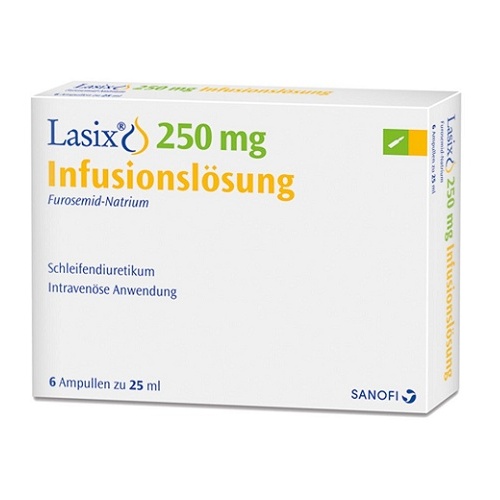
| Medication Name / Brand | Lasix |
|---|---|
| Main Compound | Furosemide |
| Primary Use | Reduction of fluid retention (edema) associated with heart failure, liver, or kidney disease |
| Strengths Offered | 20 mg, 40 mg, 80 mg tablets; injectable forms also available |
| When Effects Begin | Typically within 30–60 minutes (oral); 5 minutes (IV injection) |
| How Long It Lasts | Approximately 6–8 hours per dose |
| How It’s Taken | Usually once or twice daily, as directed by a physician |
| Prescription Status | Prescription only in United States (FDA regulated) |
| Common Generic Producers | Teva Pharmaceuticals, Mylan, Hikma, among others |
Lasix for Edema: Decision Pathway in the United States
Lasix, based on the active molecule Furosemide, is a trusted therapy to manage fluid accumulation in various medical conditions. Used to treat edema, its regulatory approval and prescription status in the United States ensure it is accessible under proper medical guidance. The following guide walks through the uncertainties you may face when considering Lasix, ending with what you need to know before taking action.
Understanding Edema: You Are Not Alone
Feeling overwhelmed by swelling in your legs, ankles, or elsewhere can be isolating, but fluid retention is a frequent clinical concern in the United States. According to the American Heart Association (2022), over 6 million Americans live with heart failure—a primary contributor to edema. The Centers for Disease Control and Prevention (CDC, 2023) also reports that kidney and liver disorders, both significant causes of swelling, affect millions nationally. These numbers underscore that your experience is shared by many, and effective treatment options, including prescription diuretics like Lasix, exist for most people.
How Lasix Addresses Swelling: Mechanism and Real-World Effect
Lasix works by prompting your kidneys to excrete more salt and water into your urine. The technical explanation: Furosemide inhibits sodium and chloride reabsorption in a part of the kidney called the loop of Henle. In practice, this means your body releases excess fluid, reducing swelling and the discomfort it brings. Most people feel a difference—frequent urination and measurable reduction in swelling—within the first day of treatment. The effectiveness of Lasix in relieving edema has been documented in multiple studies, with over 70% of patients experiencing noticeable improvement within hours to days of starting therapy (American College of Cardiology, 2021).
- Physiological effect: Promotes fluid loss via urine, easing pressure on tissues and organs.
- Practical result: Less swelling, easier movement, and relief from tightness or heaviness in the affected area.
Is Lasix Right for My Situation? A Scenario Table
| Situation | Is Lasix Suitable? | Rationale |
|---|---|---|
| Diagnosed with heart failure and experiencing leg swelling | Yes — commonly prescribed | Lasix is a standard treatment to manage fluid overload from heart conditions |
| Kidney disease with doctor-supervised monitoring | Yes, with caution | Lasix is frequently used but requires close monitoring of kidney function and electrolytes |
| Swelling from prolonged standing, no underlying disease | Often not appropriate | Lasix is not intended for simple fluid shifts without a medical cause; lifestyle changes or compression therapy are considered first |
| Liver cirrhosis with significant fluid accumulation (ascites) | Yes, usually as part of a combined regimen | Furosemide is part of standard therapy but often paired with other diuretics and strict medical oversight |
| Pregnancy-related mild swelling | Not recommended | Lasix is generally avoided in pregnancy unless clearly needed due to risk to fetal development; doctor evaluation is essential |
| History of severe drug allergy to sulfa medications | Potentially unsuitable | Lasix is a sulfonamide derivative; risk of allergic reaction is higher and an alternative may be preferable |
These scenarios illustrate that Lasix is a powerful tool but not a universal answer for all forms of swelling. If your situation matches any of the cases above, especially those where Lasix is not advised, consult a healthcare professional for alternative strategies.
Putting Lasix Into Practice: What to Expect and How to Use
For those starting Lasix, practical questions often arise—about timing, missed doses, or what to watch for. Proper use maximizes benefit and minimizes risk.
- Timing: Lasix is commonly taken in the morning to avoid nighttime urination. If a twice-daily regimen is prescribed, the second dose is best taken in the early afternoon.
- With or without food: You can take Lasix with or without meals; food does not interfere with its action.
- Missed a dose: If you forget a dose, take it as soon as you remember unless it’s close to the next scheduled time. Do not double up.
- If it does not work: If swelling does not decrease after several days, or if it worsens, inform your healthcare provider. Dosages may require adjustment or another cause may need evaluation.
- Normal vs. needs attention: Increased urination is expected. However, muscle cramps, dizziness, unusual fatigue, rapid heartbeat, or confusion may signal electrolyte imbalances—contact your doctor promptly.
- Monitoring: Routine blood tests to check kidney function and salts (potassium, sodium) are recommended during ongoing use, especially at higher doses.
Expert comment from Dr. Jessica Miles, Board-Certified Nephrologist, United States:
“Lasix is effective when tailored to the patient’s needs and closely monitored. It provides real relief for those with medical causes of edema, but it is not a quick fix for all swelling. Always check with your physician before starting or adjusting your dose.”
When Is Lasix Unsafe? Contraindications Explained
- Severe kidney failure (not producing urine): Lasix relies on some kidney function to work; in complete kidney shutdown, it is ineffective and may worsen complications.
- Very low blood pressure: Because Lasix reduces blood volume, it can further lower already dangerously low blood pressure.
- Severe allergy to Furosemide or sulfonamide drugs: There is a risk of life-threatening reaction; alternative medications are preferred.
- Liver encephalopathy (confusion due to liver disease): Lasix can worsen mental status in this scenario.
- Pregnancy and breastfeeding (except when clearly necessary): Lasix can affect fetal and infant health and is used only if benefits outweigh risks, always under strict medical supervision.
The rationale behind these restrictions is straightforward: when Lasix would provide no benefit or carry significant risk, alternative strategies are safer. A thorough medical review is essential to rule out hidden risks before starting therapy.
Potential Side Effects and What to Watch For
- Common and usually mild: Increased urination, mild drop in blood pressure, lightheadedness, thirst, and electrolyte imbalances are frequent but often manageable with monitoring.
- Occasional and worth discussing with your doctor: Muscle cramps, irregular heartbeat, ringing in the ears (especially at high doses), skin rash.
- Rare but urgent: Severe allergic reactions (swelling of face or throat, difficulty breathing), severe dehydration, confusion, or sudden loss of consciousness require immediate medical attention. In such situations, contact 911 (United States emergency services) without delay.
Most side effects subside with dose adjustment or supportive care. However, never ignore warning signs—prompt action can prevent serious complications. Routine bloodwork, as ordered by your doctor, helps detect silent imbalances before symptoms develop.
Drug and Food Interactions with Lasix
- Other blood pressure medications: May intensify blood pressure lowering effects, raising the risk of dizziness or fainting.
- Nonsteroidal anti-inflammatory drugs (NSAIDs) like ibuprofen: Can reduce the effectiveness of Lasix and stress the kidneys.
- Certain antibiotics and heart rhythm drugs: Some may cause dangerous changes in blood salts or rhythms when combined with Lasix.
- Herbal supplements: Licorice, for example, can worsen potassium loss.
- Dietary advice: A balanced intake of potassium and salt may be recommended, but do not modify your diet without professional guidance.
If you are taking several medications or supplements, share the full list with your prescriber to avoid harmful combinations. Adjustments can usually be made for safe concurrent use.
Alternatives Compared: Is Lasix Always Best?
| Medication | When Preferred | Main Limitations |
|---|---|---|
| Lasix (Furosemide) | First-line for acute or severe edema in heart, kidney, or liver disease | Requires blood monitoring; not ideal for mild or non-medical swelling |
| Hydrochlorothiazide | Mild-to-moderate edema, especially with high blood pressure | Less potent; not effective for severe or urgent cases |
| Spironolactone | Edema from liver cirrhosis or hormonal causes | Slower onset; risk of hormonal side effects |
| Torsemide, Bumetanide | Patients who do not respond well to Lasix | More expensive; similar monitoring needed |
| Non-drug measures (compression, elevation) | Swelling from prolonged standing or minor causes | Ineffective for heart, liver, or kidney-related edema |
Lasix is effective in most cases where rapid and significant fluid removal is required. For less severe, persistent, or non-medical swelling, other options may be safer or more appropriate. Honest comparison ensures you receive the right therapy for your underlying problem.
What You Will Actually Pay: Full Cost Breakdown for Lasix in the United States
| Cost Item | Amount | Note |
|---|---|---|
| Physician consultation | $100–$250 | Required for diagnosis and initial prescription; telemedicine may be less |
| Prescription fee (if applicable) | $0–$25 | Some clinics charge a separate fee for writing a prescription |
| Lasix (Furosemide) tablets | $4–$40 for 30 tablets (20 mg or 40 mg) | Generic versions are widely available and less expensive |
| Home delivery (optional) | $5–$20 | Pharmacy delivery services; cost varies by speed and distance |
| Total cost | $109–$335 | Depending on insurance, location, and services used |
Most insurance plans cover Lasix as a generic, reducing out-of-pocket medication costs. Uninsured patients or those using cash pay options may benefit from discount programs or shopping at major retail chains. Always verify pharmacy pricing before purchase, as costs can fluctuate.
What Else Should I Know Before Deciding?
The U.S. Food and Drug Administration (FDA) regulates Lasix and its generics, ensuring their safety, quality, and efficacy for use in the United States. While online pharmacies market Lasix, a valid prescription is legally required for purchase. Some telehealth platforms offer same-day virtual consultations and can send prescriptions directly to your preferred pharmacy—use only licensed, reputable providers to avoid counterfeit risks. For ongoing use, regular lab follow-up is not optional: it is the best safeguard against rare but serious complications like kidney damage or severe electrolyte imbalance.
If you have questions about your specific health scenario or medications you are already taking, a licensed U.S. physician or pharmacist is the best resource. In emergencies (such as sudden trouble breathing, fainting, or signs of a severe allergic reaction), call 911 immediately rather than waiting for routine medical advice.