
- Home/
- Buy Zithromax in Online Pharmacy for United States Customers
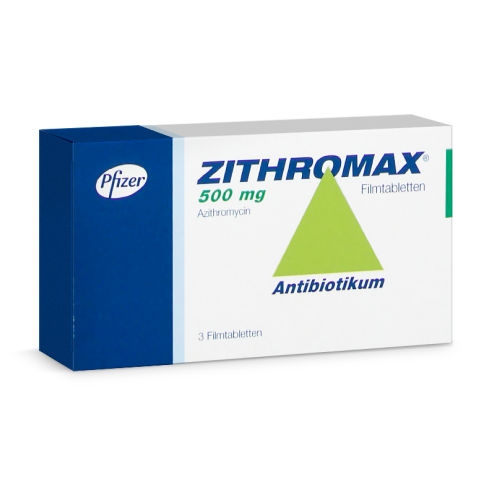
| Medication Name | Zithromax |
|---|---|
| Main Pharmaceutical Agent | Azithromycin |
| Primary Use | Bacterial infection treatment (Antibiotic) |
| Strengths Available | 250 mg tablets, 500 mg tablets, oral suspension (100 mg/5 mL, 200 mg/5 mL) |
| When Results Begin | Usually within 24–48 hours of first dose |
| Effective Duration per Course | Typical course lasts 3–5 days; effect persists for up to 7 days post-last dose |
| Food and Medication Intake | Can be taken with or without food (food may reduce stomach upset) |
| Legal Status in U.S. | Prescription required (FDA-approved) |
Zithromax: Informed Use and Purchase in the United States
Zithromax, containing the antibiotic azithromycin, is widely prescribed in the United States for treating a range of bacterial infections. It is a regulated medication, available only with a doctor’s prescription, and approved by the U.S. Food and Drug Administration for multiple indications. If you’re considering Zithromax for yourself or a loved one, understanding how it works, who it suits, and how to obtain it safely will help you make an informed, confident decision.
Bacterial Infections: A Common, Manageable Problem
Bacterial infections affect millions of people in the United States each year, from respiratory illnesses to skin and ear infections. According to the U.S. Centers for Disease Control and Prevention (CDC), as of 2022, at least 270 million antibiotic prescriptions are dispensed annually in outpatient settings nationwide. These numbers reflect not only the frequency of bacterial illnesses but also the essential role antibiotics play in routine healthcare. While the idea of needing antibiotics can feel daunting, it is a normal and treatable situation for people of all ages—and help is available.
How Zithromax Works: The Two Levels of Action
Azithromycin, the active component of Zithromax, targets bacteria by interfering with their ability to make proteins required for survival and reproduction. In practical terms, this means Zithromax slows down or halts the growth of harmful bacteria, allowing your immune system to clear the infection more efficiently.
- Physiological Mechanism: Azithromycin binds to part of the bacteria’s protein-making machinery (the 50S ribosomal subunit), blocking new proteins from forming. Without these proteins, the bacteria cannot multiply and eventually die.
- Practical Consequence: For most patients, this translates to a reduction in symptoms—less fever, less pain, easier breathing (for respiratory infections)—often within 1–2 days of starting treatment. It is important, however, to complete the entire prescribed course, even if you feel better sooner, to prevent recurrence or resistance.
This dual effect—directly on the bacteria and indirectly by boosting the body’s natural defenses—explains why Zithromax is effective for common infections like bronchitis, sinusitis, strep throat, certain pneumonias, and skin infections, among others.
Is Zithromax Right for You? Real-Life Scenarios
| Situation | Is Zithromax Suitable? | Reasoning |
|---|---|---|
| You have a confirmed or highly suspected bacterial respiratory infection (e.g., bronchitis, pneumonia) and have no history of allergy to macrolide antibiotics. | Yes | Zithromax is effective for many respiratory tract infections and is often prescribed for people who cannot take penicillin. |
| You are being treated for a sexually transmitted infection diagnosed as chlamydia. | Yes | Single-dose azithromycin is a guideline-recommended treatment for uncomplicated chlamydia infections. |
| You have a viral infection (such as a cold or flu), or your doctor has ruled out bacteria as the cause of your symptoms. | No | Antibiotics like Zithromax do not work against viruses and should not be used, as this increases the risk of resistance and side effects. |
| You have a known history of liver disease or experienced jaundice with previous azithromycin use. | Not advisable | Zithromax can affect the liver; pre-existing issues or previous reactions require alternative antibiotics under close medical supervision. |
| You take medications that can affect heart rhythm (e.g., certain antiarrhythmics) or have known QT prolongation. | Use with caution or seek alternatives | Zithromax can prolong the QT interval, increasing risk of heart rhythm disturbances—consult your healthcare provider for individual assessment. |
Seeing your own situation reflected in these scenarios can clarify whether Zithromax aligns with your needs. If your case is complex or you are unsure, a healthcare professional’s input is essential.
Taking Zithromax in Daily Life: What You Need to Know
- Timing: Zithromax is usually taken once daily, at the same time each day, for 3–5 days. Your doctor will specify the exact duration based on your diagnosis.
- With or without food: Tablets and suspension can be taken with or without food. Taking the medication with food may reduce stomach upset.
- Missed dose: If you forget a dose, take it as soon as you remember. If it is almost time for the next dose, skip the missed dose—do not double up.
- What to expect: Most people notice symptom improvement within 48 hours. Finish the entire course, even if you feel better, to ensure the infection is fully cleared.
- If it doesn’t seem to work: If you feel worse, develop new symptoms, or have no improvement after 3 days, contact your healthcare provider. Some bacteria are resistant to azithromycin, which can require a different antibiotic.
- What’s normal: Mild stomach upset, diarrhea, or headache are common and usually resolve without treatment.
- When to worry: Severe rash, swelling of the face or throat, trouble breathing, yellowing of the skin, or chest pain require immediate medical attention.
“In my practice, most patients tolerate azithromycin very well, but I emphasize taking the full course and monitoring for rare but serious side effects—especially allergic reactions or heart palpitations. Any new or severe symptoms should prompt a call or visit to a provider.”
— Dr. Jenna Morris, Infectious Diseases Specialist (US board-certified)
Who Should Not Take Zithromax?
There are specific situations where Zithromax should not be used, explained by the risk to your health:
- Allergy to azithromycin or macrolide antibiotics: Taking Zithromax with a known allergy can cause severe, potentially life-threatening reactions.
- History of hepatitis or liver dysfunction after prior azithromycin use: Re-exposure can worsen liver damage.
- Certain heart conditions: People with a prolonged QT interval or those taking medications known to affect heart rhythm may be at increased risk of arrhythmias because azithromycin can alter electrical conduction in the heart.
- Severe kidney impairment: The medication may accumulate, leading to increased side effects or toxicity.
- Use in infants under 6 months old: Safety not established; alternative antibiotics are usually recommended.
If any of these apply to you, discuss alternatives with your healthcare provider before starting treatment.
What Side Effects Might Occur?
- Common (seen in up to 10% of patients): Nausea, mild diarrhea, stomach pain, headache. These typically resolve after completing the course.
- Less common (1–5%): Changes in taste, mild skin rash, temporary elevations in liver enzymes.
- Rare (<1%, but serious): Severe allergic reactions (swelling, trouble breathing), severe skin reactions, jaundice, heart rhythm changes (palpitations, fainting).
If you develop swelling of the lips, tongue, face, have difficulty breathing, chest pain, or collapse, this can indicate a serious allergic or cardiac reaction. In the United States, call 911 immediately in such emergencies.
Most mild side effects do not require stopping the medication, but any new or concerning symptom warrants a conversation with your provider.
Drug and Food Interactions: What Else Should You Watch?
Zithromax’s interaction profile is less extensive than many antibiotics, but certain combinations require caution:
- Heart rhythm medications (antiarrhythmics, some antipsychotics, and antidepressants): Co-administration can raise the risk of serious arrhythmias.
- Antacids containing aluminum or magnesium: These can lower Zithromax absorption if taken at the same time; separate by at least 2 hours.
- Warfarin (blood thinner): Monitoring may be needed, as azithromycin can increase its effect in rare cases.
- Other antibiotics: Some combinations are unnecessary or may increase risk of side effects—never self-combine without medical advice.
- Alcohol: Moderate alcohol is not known to interact directly, but it can worsen stomach upset; best to limit intake during treatment.
Always inform your provider and pharmacist about all medications and supplements you are taking to ensure safe therapy.
How Does Zithromax Compare? Alternatives and Limitations
| Medication | Main Use | Advantages | Limitations |
|---|---|---|---|
| Zithromax (Azithromycin) | Respiratory, skin, some STDs, certain ear infections | Short course, once-daily dosing, generally well tolerated | Not effective against all bacteria, potential for rare heart side effects, requires prescription |
| Amoxicillin | Respiratory, ear, sinus, urinary infections | Broad spectrum, inexpensive, few cardiac risks | Not suitable for penicillin-allergic patients; rising resistance in some regions |
| Doxycycline | Respiratory, skin, Lyme disease, STDs | Useful in penicillin allergy, inexpensive generic, effective for some resistant bacteria | Not for children under 8 or pregnant women, can cause sun sensitivity |
| Levofloxacin | Severe or resistant infections | Very broad spectrum, effective for complex cases | Higher risk of certain side effects (tendon rupture, nerve effects), usually reserved for specific indications |
Zithromax is preferred for its convenience and tolerability in many outpatient infections, but is not the right answer for every situation. Choice depends on your infection type, history, and any allergies or chronic health conditions. Your provider may recommend an alternative if Zithromax is not optimal for your case.
Zithromax in the U.S.: Cost, Access, and What to Expect
| Expense | Cost (USD) | Details |
|---|---|---|
| Physician visit (in-person or telemedicine) | $50 – $150 | Varies by provider and insurance; some telemedicine services may be less expensive |
| Prescription (required by law) | Usually included with visit | Separate charge rare; check with your clinic |
| Zithromax 5-day course (250 mg, 500 mg, or suspension) | $12 – $50 | Price varies by dosage, generic or brand, and pharmacy |
| Delivery (if mailed from pharmacy) | $5 – $20 | Standard vs. expedited shipping; some pharmacy chains offer free shipping |
| Total Expected Cost | $67 – $220 | Lowest scenario: telemedicine, generic, standard shipping; highest: in-person, brand-name, express delivery |
In the United States, Zithromax is only legally available by prescription, as required by the Food and Drug Administration (FDA). While some online vendors offer antibiotics without a prescription, this is not in line with U.S. law and carries significant risk of counterfeit or inappropriate medication. FDA-approved generic versions containing azithromycin are available and typically cost less than the brand-name product. Insurance coverage can further reduce your out-of-pocket expenses.
When you fill your prescription at a licensed U.S. pharmacy, you can expect to receive either the original Zithromax or a generic equivalent. Ask the pharmacist if you have questions about substitution or cost differences.
Remaining Questions: What If My Infection Comes Back?
Recurrent or persistent infections may occur for several reasons: resistant bacteria, incomplete treatment, or a new exposure. If you have completed a full course of Zithromax and symptoms return, do not restart antibiotics on your own. Instead, consult your provider for a re-evaluation. They may recommend a longer course, a different antibiotic, or additional testing to identify the cause. Responsible antibiotic use is key to both effective treatment and limiting resistance in the wider community.