
- Home/
- Buy Ventolin Inhaler Without Prescription in the United States
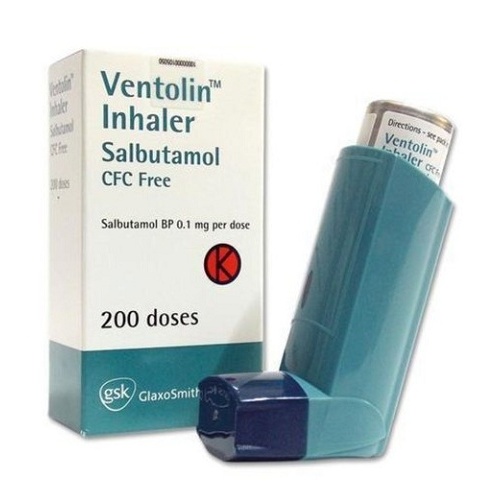
Ventolin Inhaler (Salbutamol) in the United States: The Comprehensive Patient & Clinician Guide
Can You Get Ventolin Inhaler Without a Prescription in the United States?
No, you cannot legally obtain Ventolin Inhaler without a prescription in the United States. Ventolin Inhaler is classified as a prescription medication under Food and Drug Administration (FDA) regulations. Both local and online pharmacies in the US require a valid prescription from a licensed healthcare provider. Buying from sources that do not require a prescription is illegal and increases the risk of counterfeit or unsafe products.
Key Facts About Ventolin Inhaler: Quick Summary
| Parameter | Details |
|---|---|
| Active Ingredient | Salbutamol (Albuterol sulfate) |
| Primary Use | Relief of acute asthma symptoms and prevention of bronchospasm |
| Prescription Status (US) | Prescription required |
| Onset of Action | 5 minutes (peak effect: 30–60 minutes) |
| Main Contraindication | Severe hypersensitivity to Salbutamol or excipients |
| Typical Price (2026, US) | $35–$75 per inhaler (200 doses), varies by insurance |
| FDA Approval | Approved; original and multiple generics available |
How Does Ventolin Inhaler Work? (Mechanism of Action Explained)
Ventolin Inhaler contains the active ingredient Salbutamol (also known as Albuterol in the United States), which is a selective beta-2 adrenergic receptor agonist. This means that it binds primarily to beta-2 receptors located in the smooth muscle lining the airways. Upon activation, these receptors stimulate the enzyme adenylate cyclase, which increases levels of cyclic AMP (cAMP) in bronchial smooth muscle cells. Elevated cAMP leads to:
- Relaxation of bronchial smooth muscle (bronchodilation)
- Decrease in airway resistance
- Rapid relief from symptoms like wheezing, shortness of breath, and chest tightness
Salbutamol does not reduce airway inflammation; it provides symptomatic relief by quickly opening airways. Its action is independent of food or most external triggers.
Analogy: If your airways are like a tunnel blocked by a traffic jam, Ventolin acts like a traffic controller who quickly clears a lane, letting cars (air) pass through easily—but it doesn’t fix the underlying cause of the jam.
Myth: Ventolin Inhaler cures asthma.
Reality: It relieves symptoms but does not address airway inflammation or prevent future attacks. Long-term control requires additional medications (e.g., inhaled corticosteroids).
How Ventolin Inhaler Is Processed In Your Body: Pharmacokinetics
- Absorption: Rapidly absorbed through lung tissue after inhalation. Some swallowed drug absorbed via the GI tract.
- Distribution: Distributed to bronchial smooth muscle; minor systemic distribution.
- Metabolism: Primarily metabolized in the liver to inactive compounds.
- Elimination: Excreted mainly through the kidneys (urine), a small amount in feces.
- Half-life (T½): Approximately 3–6 hours in adults.
Bottom line: The majority of the drug acts locally in the lungs, with the rest cleared from the body within several hours. People with severe liver or kidney dysfunction may have altered drug clearance and need medical supervision.
Expert Commentary from doctor
In my clinical practice, I’ve noticed that many patients over-rely on Ventolin Inhaler, mistaking quick symptom relief for asthma control. This is a common pitfall. Using your inhaler more than twice a week (outside of exercise) often signals that your asthma is not well-controlled and you may need a controller medication, not just a rescue inhaler. Another issue is incorrect inhaler technique, which can reduce drug delivery to the lungs by up to 60%. Always ask your healthcare provider to review your inhaler use regularly—it makes a bigger difference than most realize.
How Should You Use Ventolin Inhaler? (Dosage and Administration)
- Usual Adult Dose: 1–2 inhalations (100–200 mcg) every 4–6 hours as needed for acute symptoms.
- Maximum Dose: Do not exceed 8 inhalations (800 mcg) in 24 hours for adults unless directed by your physician.
- Pediatric Dose (ages 4–11): 1 inhalation (100 mcg) every 4–6 hours as needed; maximum: 4 inhalations/day.
- Onset of Relief: Usually within 5 minutes; maximum effect at 30–60 minutes.
- Duration of Action: Typically 4–6 hours.
- Adjustment for Elderly or Renal/Hepatic Impairment: No standard dose adjustments, but monitor closely for side effects.
What Should You Know About Food, Alcohol, and Lifestyle When Taking Ventolin Inhaler?
- Food: No significant interaction. You can use Ventolin Inhaler before or after meals. Fatty foods do not affect its absorption.
- Alcohol: Moderate alcohol (1–2 standard drinks) does not appear to interact directly, but excessive use may worsen asthma control and increase side effects like palpitations or dizziness.
- Grapefruit Juice: No known interaction, unlike with some other inhalers and oral medications.
- Smoking: Smoking may reduce overall asthma control, but does not directly interact with Ventolin’s effectiveness.
- Caffeine: High doses may increase stimulant side effects (tremor, palpitations).
In short: Use as directed, maintain a healthy lifestyle, and avoid triggers for your asthma.
Who Should Not Use Ventolin Inhaler? (Absolute and Relative Contraindications)
| Type | Condition / Situation | Explanation |
|---|---|---|
| Absolute | Known hypersensitivity to Salbutamol or excipients | Risk of severe allergic reaction (anaphylaxis) |
| Absolute | Severe, unstable cardiac arrhythmias | Risk of life-threatening heart rhythm disturbances |
| Relative | Uncontrolled hyperthyroidism | Can worsen symptoms (palpitations, tremor) |
| Relative | Severe hypertension (uncontrolled high blood pressure) | May exacerbate elevated blood pressure |
| Relative | History of myocardial infarction (heart attack) within last 6 months | Increased risk of cardiac stress; use only if clearly necessary under supervision |
| Relative | Seizure disorders | Increased risk of CNS stimulation |
| Relative | Pregnancy (esp. first trimester) and breastfeeding | Use only if benefits clearly outweigh risks; discuss with OB/GYN |
Why: Ventolin Inhaler acts as a stimulant and may worsen certain heart or nervous system conditions. Always consult a healthcare provider if you have significant comorbidities.
What Side Effects Are Most Common With Ventolin Inhaler?
| Frequency | Side Effect | Mechanism/Comment |
|---|---|---|
| Very Common (>1/10) | Tremor (shaky hands), headache | Beta-2 stimulation of skeletal muscle and CNS |
| Common (1/100 – 1/10) | Palpitations, rapid heartbeat, muscle cramps | Stimulant effect on heart and muscle |
| Uncommon (1/1,000 – 1/100) | Mild throat irritation, cough, nausea | Local mucosal effect, swallowing small amounts |
| Rare (1/10,000 – 1/1,000) | Allergic reaction (rash, swelling) | Immune-mediated |
| Very Rare (<1/10,000) | Severe cardiac arrhythmia, paradoxical bronchospasm | Direct cardiac/CNS effect; bronchospasm may worsen instead of improve |
What to do: If mild side effects (tremor, headache) are bothersome, discuss dose adjustment. For severe reactions (chest pain, severe rash, or shortness of breath that worsens), stop use and seek immediate medical care.
Common Patient Mistakes Observed by doctor
- Using Ventolin Inhaler as a regular “preventer” instead of a “reliever.”
Problem: Chronic overuse masks poor asthma control and increases risk of severe attacks.
How to avoid: If you need your inhaler more than twice a week, talk to your provider about a controller medication. - Improper inhaler technique (not shaking, not exhaling before use, not holding breath after inhalation).
Problem: Up to 80% of the dose can be lost.
How to avoid: Ask for a demonstration and practice with your clinician regularly. - Not checking dose counter or expiration date.
Problem: Running out during an asthma attack.
How to avoid: Refill before you run out; mark the date you opened a new inhaler. - Ignoring symptoms that do not improve.
Problem: Delay in seeking emergency care can be fatal.
How to avoid: If symptoms persist after two doses, seek emergency help. - Storing inhaler in extreme heat/cold (car dashboard, freezer).
Problem: Drug may degrade or canister may explode.
How to avoid: Store at room temperature, away from sunlight.
How Does Ventolin Inhaler Compare to Other Asthma Inhalers?
| Product | Active Ingredient | Onset | Duration | Typical Price (2026, US) | Key Features |
|---|---|---|---|---|---|
| Ventolin Inhaler | Salbutamol (Albuterol) | ~5 min | 4–6 hrs | $35–$75/inhaler | Rapid relief, widely available, generic options |
| ProAir HFA | Albuterol sulfate | ~5 min | 4–6 hrs | $40–$80/inhaler | Similar to Ventolin; different propellant |
| Xopenex HFA | Levalbuterol | ~5 min | 4–6 hrs | $60–$120/inhaler | May cause less tremor for some; higher cost |
| Generic Albuterol | Albuterol sulfate | ~5 min | 4–6 hrs | $25–$55/inhaler | Most cost-effective; similar efficacy |
Bottom line: All short-acting beta-2 agonists are effective for quick relief. Choice depends on cost, insurance, propellant tolerance, and individual side effect profile.
Ventolin Inhaler Compatibility With Other Medications Checklist
| Product Type | Can It Be Combined? | Possible Consequences |
|---|---|---|
| Inhaled corticosteroids (Fluticasone, Budesonide) | Yes | Often used together for asthma control |
| Beta-blockers (e.g., Metoprolol) | With caution, often avoided | May reduce Ventolin’s effect or trigger bronchospasm |
| MAO inhibitors/Tricyclic antidepressants | With caution | May increase cardiovascular side effects |
| Diuretics | Yes (monitor potassium) | May increase risk of hypokalemia (low potassium) |
| Other stimulants (caffeine, pseudoephedrine) | With caution | Increased risk of tremor, palpitations |
Always inform your healthcare provider about all medications and supplements you use.
How to Obtain Ventolin Inhaler Legally in the United States: Step-by-Step
- Consult a Licensed Healthcare Provider: Schedule an in-person, telehealth, or video appointment with a doctor, nurse practitioner, or physician assistant in your state. Many large cities (New York, Los Angeles, Chicago, Houston, Miami) offer same-day appointments and telemedicine options.
- Undergo Asthma Assessment: The provider will evaluate your symptoms, review your medical history, and determine if Ventolin Inhaler is appropriate.
- Prescription Issued: If indicated, a prescription will be electronically sent to your chosen pharmacy.
- Pick Up or Arrange Delivery: Collect your Ventolin Inhaler at a local pharmacy or through a licensed online pharmacy with home delivery (e.g., CVS, Walgreens, or mail-order services).
- Verify Product Authenticity: Check that the pharmacy is licensed and look for the NABP “VIPPS” seal (nabp.pharmacy).
How to Spot a Counterfeit Ventolin Inhaler in the United States
- Packaging: Original Ventolin Inhalers come in a sealed box with clear lot number, expiration date, and manufacturer (GlaxoSmithKline or authorized generic).
- Device: Blue and white casing with embossed branding (Ventolin); attached dose counter; smooth actuator.
- Labeling: FDA-required safety information in English; US NDC (National Drug Code) visible.
- Security Features: Some may feature holograms, QR codes, or tamper-proof seals. Confirm with your pharmacy for updates.
- Price: Unusually low price is a red flag—if it’s less than $20 uninsured or from non-verified sites, be skeptical.
- Pharmacy Verification: Only purchase from NABP-VIPPS certified pharmacies.
What are generics? Generic albuterol inhalers are FDA-approved equivalents with same active ingredient but may differ in shape, color, and inactive ingredients. They are safe when dispensed by licensed US pharmacies.
Is Ventolin Inhaler Covered by Insurance or Medicare?
Most private insurance plans, Medicaid, and Medicare Part D in the United States cover Ventolin Inhaler and/or generic albuterol inhalers. Copays and coverage vary widely—ranging from $0–$45 per inhaler. Without insurance, expect to pay $35–$75 per Ventolin or $25–$55 for generics (2026 prices). Many pharmacies or manufacturers offer savings programs—ask your provider or pharmacist.
What to Do in Case of Ventolin Inhaler Overdose?
- Stop using Ventolin Inhaler immediately.
- Call 911 or your local emergency number immediately if you feel chest pain, severe palpitations, tremor, or confusion.
- Provide the emergency team with information about the amount and time of the overdose.
- Bring the medication container or inhaler with you to the hospital if possible.
- Do not attempt to induce vomiting or “flush” the drug out yourself.
Special Populations: Use in Children, Older Adults, and Chronic Illness
- Children (4–11 years): Ventolin Inhaler is FDA-approved in this age group. Lower doses are used; always use a spacer device if recommended.
- Older Adults (>65 years): No specific adjustment, but monitor for cardiac side effects, especially if on multiple medications.
- Pregnancy & Breastfeeding: Classified as Pregnancy Category C. Use only when benefits outweigh risks. Discuss with your OB/GYN.
- Renal/Liver Disease: Use with caution; may require closer monitoring.
- Ability to Drive/Operate Machinery: Rarely impairs ability, but if you experience dizziness or tremor, avoid hazardous activities.
- Fertility: No evidence of adverse effects on fertility at recommended dosages.
Original Ventolin vs Generics: What’s the Difference?
- Active ingredient: Identical (Salbutamol or Albuterol sulfate).
- Efficacy: Clinical trials show no significant difference in onset, duration, or effectiveness.
- Inactive ingredients (excipients): May vary. Rarely, some individuals may react to a specific propellant or additive.
- Device: Generic inhalers may differ in shape or color, but dose-delivery is standardized and regulated by the FDA.
- Cost: Generics are typically $10–$30 cheaper per inhaler.
Advantage of generics: Lower cost, same medical result, and widely available at national chain pharmacies.
What Should I Do If Ventolin Inhaler Doesn’t Work?
- If symptoms do not improve after two doses (4 puffs total) within 30 minutes: Seek immediate medical attention. This may indicate a severe asthma attack requiring additional therapy (e.g., oral steroids, oxygen).
- If you find yourself using your inhaler more than twice per week: Your asthma is not well-controlled. Schedule a follow-up with your provider to update your asthma action plan.
- If the inhaler seems empty or broken: Check the dose counter; never attempt to “hack” or refill the device yourself. Obtain a new prescription.
Dealing With Asthma: Psychological Support and Practical Tips
Asthma is a common and manageable condition in the United States. You’re not alone—millions manage their symptoms every day. If you feel anxious about your diagnosis or medication use, consider reaching out to a support group, discussing your concerns with your healthcare provider, or involving family members in your asthma action plan. Open communication can make a major difference in quality of life and adherence.
Questions Frequently Asked to doctor
- How often can I safely use my Ventolin Inhaler?
- As your doctor, I recommend using it only for quick relief during symptoms or before known triggers (like exercise). If you need it more than twice a week, we need to reassess your long-term asthma management.
- What happens if I accidentally use too much Ventolin?
- Mild overuse may cause tremor or palpitations. For significant overdose—chest pain, severe shakiness, or rapid heartbeat—stop use and call emergency services right away.
- Can Ventolin Inhaler interact with my blood pressure or heart medications?
- Yes. Beta-blockers and some antidepressants can interfere or increase side effects. Always bring a list of your medications to your appointments so I can check for interactions.
- Is it safe to use Ventolin during pregnancy?
- If your asthma is severe, untreated symptoms pose more risk than the inhaler itself. We’ll carefully weigh the pros and cons together and may recommend continued use if needed for your health and the baby’s.
- What should I do if I miss a dose?
- Ventolin is used as needed for symptoms, not on a set schedule. If you miss a dose during an attack, use it as soon as needed. Don’t double up or exceed the maximum daily dose.
- Can I drink alcohol when using Ventolin?
- Moderate drinking (a glass of wine or beer) is usually safe, but heavy drinking can worsen asthma or increase side effects like dizziness. If in doubt, avoid it until you know how your body responds.
- Is Ventolin Inhaler habit-forming? Will I become dependent?
- Physical dependence doesn’t occur, but over-reliance often signals poorly controlled asthma, which puts you at risk. Let’s make sure you have the right long-term therapy in place.
Ventolin Inhaler: Key Characteristics At a Glance
| Parameter | Value |
|---|---|
| Active Ingredient | Salbutamol (Albuterol) sulfate |
| Dosage Form | Metered-dose inhaler (MDI) |
| Each Dose Contains | 100 micrograms of Salbutamol |
| Typical Onset of Action | Within 5 minutes |
| Peak Effect | 30–60 minutes |
| Duration of Action | 4–6 hours |
| Usual Adult Dose | 1–2 puffs as needed |
| Maximum Adult Dose | 8 puffs/24 hours |
| Generic Availability | Yes (multiple FDA-approved generics) |
Professional Opinion of doctor
Ventolin Inhaler is a mainstay for the rapid relief of asthma symptoms and acute bronchospasm. In my experience, it’s most beneficial for patients who need quick on-demand control—such as during exercise or unexpected triggers. However, it is not a solution for chronic inflammation or persistent symptoms. The main risk arises when patients use it too often and delay necessary long-term therapy; this can lead to worsening asthma control and, rarely, life-threatening attacks. For most, the benefits outweigh the risks when used as prescribed. But for those with severe heart problems, frequent symptoms, or concerns about side effects, we may need to explore alternative therapies—such as inhaled corticosteroids or combination inhalers. The most important advice I can give is to partner with your provider, use your inhaler correctly, and never ignore warning signs of poor asthma control.
Frequently Asked Questions About Ventolin Inhaler (United States)
- Can I buy Ventolin Inhaler online without a prescription in the United States?
- No, a valid prescription is required by law to buy Ventolin Inhaler from any pharmacy in the US, including online pharmacies.
- How quickly does Ventolin Inhaler start to work?
- Ventolin Inhaler usually provides relief within 5 minutes, with maximum effect in 30–60 minutes.
- What should I do if I use my inhaler too often?
- Contact your healthcare provider. Frequent use may indicate poor asthma control and the need for controller medication.
- Is Ventolin Inhaler safe during pregnancy?
- Discuss with your provider; it can be used if benefits outweigh risks, but long-term safety should be weighed during pregnancy.
- Are there cheaper alternatives to Ventolin Inhaler?
- Yes, generic albuterol inhalers are available and cost less, with similar efficacy.
- Can Ventolin Inhaler cause anxiety or heart palpitations?
- Yes, these are known side effects, especially at higher doses or with frequent use.
- How can I tell if my Ventolin Inhaler is real?
- Buy only from licensed US pharmacies, check packaging for lot number, expiration, and branding. NABP-VIPPS certification is a good sign.
- Is Ventolin Inhaler covered by insurance?
- Most private plans and Medicare/Medicaid cover Ventolin or generics; check with your insurer for details on copayments.
- What should I do if I forget my inhaler at home and have an attack?
- Seek help immediately from a medical facility or call emergency services. Do not attempt to use someone else’s inhaler unless instructed by a professional.
References
- Food and Drug Administration (FDA), “Ventolin HFA (Albuterol Sulfate) Inhalation Aerosol,” https://www.fda.gov/
- National Institutes of Health (NIH), “Salbutamol (Albuterol) Drug Information,” https://www.ncbi.nlm.nih.gov/pubmed/
- Mayo Clinic, “Albuterol (Inhalation Route) Proper Use,” https://www.mayoclinic.org/
- Global Initiative for Asthma (GINA), “Asthma Management and Prevention Guidelines,” https://ginasthma.org/
- GlaxoSmithKline, “Ventolin Inhaler US Product Information,” https://www.gsksource.com/
- National Association of Boards of Pharmacy (NABP), “Safe Online Pharmacies,” https://nabp.pharmacy/
- Centers for Medicare & Medicaid Services (CMS), “Asthma Drug Coverage,” https://www.cms.gov/
- ClinicalTrials.gov, “Recent Studies on Albuterol Inhalers,” https://clinicaltrials.gov/