
- Home/
- Buy Nolvadex in Online Pharmacy for United States Customers
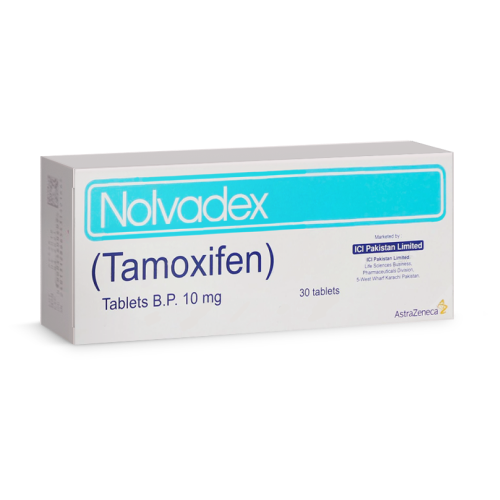
| Medication Name | Nolvadex |
|---|---|
| Main Compound | Tamoxifen |
| Treatment Area | Hormone receptor-positive Breast Cancer |
| Available Strengths | 10 mg, 20 mg tablets |
| How Long Until It Works | Typically within weeks; maximum therapeutic effect may take months |
| Length of Benefit | Continues as long as taken; adjuvant therapy usually 5 years |
| How to Take | Oral, once or twice daily as prescribed |
| Prescription Requirement | Prescription-only in United States |
| Average Price Range | $20–$100 per month depending on dose and pharmacy |
Nolvadex: Guidance for Breast Cancer Treatment Decisions in United States
Nolvadex (Tamoxifen) is a prescription oral medication widely used to treat certain types of breast cancer and to reduce the risk of recurrence. It is legally regulated and available in the United States, and plays a central role in modern breast cancer management, especially for hormone receptor-positive cases. Understanding if, when, and how to use Nolvadex is essential for anyone navigating breast cancer therapy.
Breast Cancer: Scope of the Challenge and Pathways to Solutions
Every year, hundreds of thousands of people in the United States face a breast cancer diagnosis. According to the American Cancer Society, in 2023 there were about 297,790 new cases of invasive breast cancer diagnosed in women and around 2,800 in men. Breast cancer is the most common cancer among women in the U.S., but advances in treatment have dramatically improved outcomes and survival rates. It is important to recognize that most individuals diagnosed with breast cancer will receive effective treatment, often tailored to the specific features of their disease. Nolvadex is a key part of this evolving treatment landscape for many, but not all, patients. The fact that so many have faced this journey—and that medical science continues to drive new options—underscores that you are not alone, and that help is not out of reach.
How Nolvadex Works: From Biology to Practical Benefit
Nolvadex, with Tamoxifen as its active ingredient, is classified as a selective estrogen receptor modulator (SERM). In practical terms, this means it attaches to estrogen receptors in breast cells and blocks estrogen—a hormone that can encourage certain breast cancers to grow. Many breast cancers are “estrogen receptor-positive,” meaning they rely on estrogen to develop and persist. By blocking this hormone’s effect, Nolvadex starves the cancer cells of a key growth driver.
For patients, the result is a decreased risk of cancer returning after treatment (adjuvant therapy), and in some cases, a way to shrink existing tumors or delay progression. Tamoxifen does not act as a traditional chemotherapy drug; instead, its targeted action means side effects are often milder but can still be significant. The clinical effect typically becomes measurable within several weeks, but the real benefit—marked reductions in the risk of recurrence or new breast cancer—emerges over years of consistent use. Thus, Nolvadex acts more as a daily, ongoing shield than a rapid, short-term fix.
Who Is Nolvadex Right For? Scenarios and Selection Criteria
| Situation | Is Nolvadex Suitable? | Reason |
|---|---|---|
| You have been diagnosed with early-stage, estrogen receptor-positive (ER+) breast cancer | Yes | Nolvadex is proven to reduce recurrence risk in ER+ cases as adjuvant therapy |
| You are a premenopausal woman needing hormonal therapy for breast cancer | Often yes | Tamoxifen is the standard for premenopausal ER+ patients, as alternatives like aromatase inhibitors are less effective before menopause |
| You have a history of blood clots or deep vein thrombosis | No | Nolvadex increases the risk of clotting; alternative therapies should be considered under a doctor’s guidance |
| You are postmenopausal and have significant osteoporosis | Sometimes yes | Tamoxifen can help maintain bone density, but aromatase inhibitors may be preferred in some cases; clinical judgement needed |
| Your breast cancer is estrogen receptor-negative (ER-) | No | Nolvadex is ineffective if the cancer does not rely on estrogen |
| You are seeking to prevent breast cancer due to high familial risk | Potentially yes | Nolvadex is FDA-approved for risk reduction in high-risk individuals, but benefits and risks must be weighed |
These scenarios highlight that while Nolvadex is a cornerstone for many patients, it is not universally suitable. The key factors are your menopausal status, hormone receptor profile of the cancer, and personal medical history—especially relating to clotting risk and other contraindications. Always consult with an oncologist before starting or switching treatments.
Taking Nolvadex: Practical Guidance and Everyday Considerations
- How to take Nolvadex: Swallow tablets whole, with or without food. Take at the same time each day, as prescribed—usually once or twice daily.
- If you miss a dose: Take it as soon as you remember on the same day. If it is close to your next dose, skip the missed one—do not double up.
- What if you vomit after taking Nolvadex? If vomiting occurs shortly after taking your dose, consult your oncologist for advice, but do not automatically take another tablet.
- When does it start to work? Some women notice changes (e.g., in menstrual cycles or hot flashes) within weeks, but reduction in recurrence risk is measured over months to years.
- What to do if Nolvadex seems ineffective? If you notice new symptoms or a return of old ones, do not stop the medication yourself. Inform your oncology team promptly so they can reassess your treatment plan.
- Drug and food interactions: Tamoxifen can interact with certain antidepressants (notably some SSRIs like paroxetine and fluoxetine) and other medications. Always inform your doctor about all drugs and supplements you take.
- Alcohol consumption: Moderate alcohol is not specifically contraindicated, but heavy drinking is discouraged, as it may increase side effects and interact with overall cancer risk.
Consistency is crucial for Nolvadex’s long-term benefit. Most patients tolerate it well, but it’s normal to have questions or concerns as you adapt. Open communication with your doctor improves both safety and outcomes.
Who Should Not Take Nolvadex? Understanding Contraindications
- History of Deep Vein Thrombosis (DVT) or Pulmonary Embolism: Tamoxifen increases the risk of blood clots, so it is typically avoided if you’ve had these conditions.
- Currently Pregnant or Planning Pregnancy: Nolvadex can harm an unborn baby; contraception is recommended during treatment and for two months after stopping.
- Known Allergy to Tamoxifen or Any Tablet Component: Hypersensitivity reactions can occur—seek alternatives if you have a history of allergic response.
- Concurrent use of certain anticoagulants (e.g., warfarin for stroke prevention): Tamoxifen may dangerously increase bleeding risk with these drugs.
These restrictions exist to protect you from preventable harm. The reasoning is rooted in Tamoxifen’s effects on blood clotting and hormone pathways. If any of these apply, your oncologist will recommend a different therapy or additional monitoring.
Possible Side Effects: What to Expect and When to Seek Help
- Very common and usually mild: Hot flashes, night sweats, vaginal dryness or discharge, irregular periods (if premenopausal). These typically fade with time or can be managed with supportive care.
- Occasional and may require discussion: Leg cramps, mild nausea, fatigue, mild skin rashes, weight changes.
- Rare but serious—call your doctor immediately: Sudden leg swelling or pain, chest pain, shortness of breath (signs of a blood clot); unusual vaginal bleeding; vision changes.
- Signs of a severe allergic reaction (very rare, but urgent): Swelling of face/tongue/throat, difficulty breathing, or hives—call 911 or seek emergency care.
Most side effects are manageable and lessen over time, but a sudden onset of severe symptoms—especially those suggesting a blood clot or allergic reaction—demands rapid action. In the U.S., the national emergency number is 911.
Medication Interactions: What Else Should You Watch For?
Nolvadex’s effectiveness can be reduced by some antidepressants (notably paroxetine and fluoxetine), as these drugs inhibit the enzyme that activates Tamoxifen in the liver. Other medications, such as certain anticoagulants and antiarrhythmics, may increase risks or alter effectiveness. Always provide your oncology team with a full and current list of all medications, including supplements and over-the-counter products. If you start or stop any new drug while on Tamoxifen, check with your doctor or pharmacist for compatibility.
How Does Nolvadex Compare to Other Breast Cancer Therapies?
| Medication | Best For | Main Strengths | Main Limitations |
|---|---|---|---|
| Nolvadex (Tamoxifen) | Premenopausal women with ER+ breast cancer; postmenopausal unable to take aromatase inhibitors | Effective, preserves bone density, oral tablet, extensive safety data | Increased risk of blood clots, rare uterine cancer risk, interactions with some drugs |
| Aromatase inhibitors (e.g., Anastrozole, Letrozole) | Postmenopausal women with ER+ breast cancer | Lower recurrence rate in postmenopausal women, no clot risk | Worsens bone density, joint pain, not for premenopausal use |
| Fulvestrant (Faslodex) | Advanced or metastatic ER+ breast cancer after other treatments | Alternative for resistant cases, injectable | Requires injection, more costly, not first-line |
| Raloxifene | Breast cancer risk reduction (prevention) in postmenopausal women | Similar to Tamoxifen in prevention, less uterine risk | Not for treatment, only prevention; similar clot risk |
Nolvadex remains the gold standard for premenopausal patients and those who cannot tolerate aromatase inhibitors. No single therapy is superior in every case. The choice depends on menopause status, bone health, clotting history, and personal preferences. Your oncology team balances these factors to recommend the optimal plan for you.
What Does Nolvadex Actually Cost in United States?
| Cost item | Amount | Note |
|---|---|---|
| Initial oncology consultation | $150–$500 | Varies by insurance and provider; may be covered |
| Prescription fee (if separate) | $0–$25 | Sometimes included with consultation |
| Nolvadex (Tamoxifen) tablets (30-day supply) | $20–$100 | Generic versions usually less expensive |
| Mail-order delivery (optional) | $5–$15 | Free with some pharmacies or insurance plans |
| Total | $20–$540 | Lower end: insured/generic; higher end: out-of-pocket/uninsured, initial consultation |
Most U.S. patients pay less than $30/month for generic Tamoxifen with insurance, and many assistance programs exist for those experiencing cost barriers. Brand-name Nolvadex may cost more, but is rarely necessary. Always check with your pharmacy and insurer, as negotiated rates and copays vary.
Final Questions: What If You Still Have Doubts?
Some patients worry how long they will need to stay on Nolvadex. For adjuvant therapy after breast cancer, the standard is five years, though some benefit from up to ten years—your doctor adjusts based on risk factors and tolerance. Others are concerned about the possibility of pregnancy while on Tamoxifen; effective contraception is essential, and pregnancy should be avoided during and for two months after use, as Tamoxifen can harm fetal development. Lastly, if you experience persistent side effects or worry about long-term risks, open discussion with your healthcare provider can lead to adjustments or alternative therapies.
Oncologists in the United States follow FDA and NCCN guidelines to individualize breast cancer treatment plans. The FDA (U.S. Food and Drug Administration) regulates the approval and safety of all cancer medications, including Nolvadex. Your care team is your partner in addressing uncertainties, monitoring side effects, and helping you make the best choices for your unique situation.