
- Home/
- Buy Glucophage Without Prescription in the United States Today
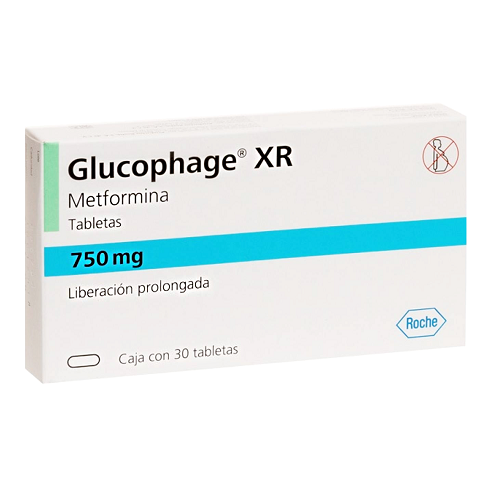
| Name of Medication | Glucophage |
|---|---|
| Main Therapeutic Ingredient | Metformin hydrochloride |
| Purpose / Use | Management of Type 2 Diabetes Mellitus |
| Available Strengths | 500 mg, 850 mg, 1000 mg tablets |
| How Fast It Begins to Work | Within several days; optimal effect in 1–2 weeks |
| How Long Its Action Lasts | Approximately 8–12 hours per dose (immediate release) |
| Dosage Schedule | Daily, typically 1–3 times per day with meals |
| Prescription Requirement | Prescription-only in the United States |
| Estimated Price Range (US) | $4–$20 per month (generic) |
Glucophage for Type 2 Diabetes: Guidance for United States Residents
Glucophage, containing Metformin as its active substance, is a widely prescribed oral treatment for Type 2 Diabetes and is legally available by prescription throughout the United States. Its established role in diabetes care means both new patients and those considering changes in their therapy will encounter this medication in clinical practice.
Type 2 Diabetes: A Widespread Challenge, A Manageable Reality
Type 2 Diabetes is neither rare nor an individual failing. According to the Centers for Disease Control and Prevention (CDC), in 2022, an estimated 37.3 million Americans—about 11.3% of the US population—were living with diabetes, with the majority diagnosed with Type 2. The US Food and Drug Administration (FDA) has authorized multiple medications for this condition, including Metformin as a first-line therapy. Recognizing this prevalence is not a source of shame, but a reminder that millions manage the same problem—and effective, evidence-based solutions are available.
How Glucophage Works: Mechanism and What You Can Expect
Metformin, the key agent in Glucophage, targets the root causes of elevated blood sugar in Type 2 Diabetes. It works chiefly by lowering the amount of glucose produced by the liver, reducing how much sugar your intestines absorb from food, and making your body’s cells more responsive to insulin—the hormone regulating blood sugar.
- Physiological effect: Metformin decreases hepatic (liver) glucose output and improves insulin sensitivity in muscles and fat tissue.
- Practical outcome: Most patients see a gradual improvement in fasting and post-meal blood glucose within the first week, with full benefit reached after about two weeks of regular use.
Unlike some other diabetes medications, Glucophage does not increase insulin secretion and therefore does not usually cause low blood sugar (hypoglycemia) when used alone. This mechanism makes it suitable as a foundation for diabetes management, especially for those with excess weight or metabolic syndrome.
Is Glucophage the Right Choice? Practical Scenarios for Selection
| Your Situation | Best Option | Why |
|---|---|---|
| Diagnosed with Type 2 Diabetes, overweight, and no history of kidney/liver disease | Glucophage (Metformin) | Often recommended as first-line therapy; helps lower blood sugar and may support weight management. |
| Type 2 Diabetes, but have moderate to severe kidney impairment | Not Glucophage | Increased risk of lactic acidosis; other medications are safer. |
| Type 2 Diabetes, normal weight, unable to tolerate gastrointestinal side effects | Consider alternatives or extended-release Metformin | Some patients find standard Metformin causes persistent stomach upset. |
| Recently diagnosed, prefer to avoid insulin injections | Glucophage as initial therapy | Metformin is oral and does not require injections, making it more convenient for many. |
| Type 2 Diabetes and planning pregnancy | Specialist consultation required | Metformin is sometimes continued but requires careful risk/benefit assessment. |
If you see your own circumstances in any of these, Glucophage may be a logical starting point. For people outside these groups—or with overlapping medical issues—consulting an endocrinologist is essential for personalized guidance.
Everyday Use: How to Take Glucophage and What to Expect
- When to take: Usually with meals, either once, twice, or three times daily depending on the tablet strength and your doctor’s instructions. Taking Glucophage with food helps minimize stomach upset.
- If you miss a dose: Take the missed dose as soon as you remember—unless it is almost time for your next dose. Never double up. Skipping a single dose is not usually dangerous.
- If you experience no change after two weeks: Blood sugar improvement can be gradual, but if there is no response after 2–3 weeks, contact your healthcare provider. Dose adjustment or alternative therapy may be needed.
- What is normal: Mild gastrointestinal symptoms (nausea, soft stools) in the first days or weeks are common and often resolve spontaneously.
- When to seek help: Severe, persistent vomiting, abdominal pain, muscle cramps, or unexplained fatigue should be reported promptly.
For those switching from another diabetes medication, your doctor will outline a tapering or transition plan to minimize the risk of unstable blood sugars. Self-adjustment is not recommended without medical supervision.
Safety Profile: Who Should Not Use Glucophage?
Some groups should avoid Metformin due to the risk of rare but serious side effects. The most important contraindications include:
- Advanced kidney disease (eGFR <30 ml/min/1.73m²): The kidneys clear Metformin from the body; impaired function increases the risk of lactic acidosis—a rare but potentially fatal buildup of lactic acid.
- Severe liver disease: Impaired liver function affects Metformin metabolism and risk of acidosis.
- Acute or unstable heart failure: Sudden drops in oxygen delivery can trigger metabolic complications with Metformin.
- Recent serious infection, dehydration, or surgery: These conditions may temporarily affect kidney or liver function, requiring a pause in Metformin therapy.
- Alcohol abuse: Heavy alcohol use increases acidosis risk, especially in combination with Metformin.
If you have any of these conditions, alternative diabetes treatments are available, and your doctor can advise on the safest path forward.
Possible Side Effects: What to Expect and When to Act
- Common and typically mild: Nausea, diarrhea, stomach discomfort, metallic taste—most frequent at the start of treatment, often resolve within days to weeks. Taking Glucophage with food reduces these effects.
- Occasional: Decreased vitamin B12 levels, which may lead to mild anemia or nerve symptoms after prolonged use—annual monitoring is usually sufficient.
- Rare but serious: Lactic acidosis (symptoms: deep and rapid breathing, severe weakness, drowsiness, abdominal pain). This is a medical emergency. If such symptoms appear, call 911 immediately for emergency medical assistance in the United States.
Most people tolerate Glucophage well, but awareness of warning signs—especially in those with risk factors—can be lifesaving.
Interactions: What Not to Combine with Glucophage
Some medications and substances can interfere with Metformin’s safety or effectiveness:
- Certain diuretics, blood pressure medications, and contrast dyes: These can impact kidney function, heightening the risk of lactic acidosis. If you’re scheduled for a scan with contrast, Metformin may need to be paused temporarily.
- Other diabetes therapies: Sulfonylureas or insulin combined with Metformin increase the chance of low blood sugar, though Metformin alone rarely causes hypoglycemia.
- Heavy alcohol use: Increases the risk of severe side effects; best avoided entirely during Metformin therapy.
Always provide your healthcare provider with a full list of your medications and supplements to avoid dangerous combinations. Dose adjustments or monitoring may be required to ensure safety.
How Does Glucophage Compare? Honest Alternatives in Diabetes Management
| Drug Name | Form | Main Advantage | Limitation | Typical Users |
|---|---|---|---|---|
| Glucophage (Metformin) | Tablet | First-line efficacy, weight neutrality or slight loss, low risk of hypoglycemia | Not suitable for those with kidney/liver impairment; GI side effects can occur | Most newly diagnosed, overweight adults |
| GLP-1 Agonists (e.g. Semaglutide) | Injection or tablet | Weight loss, cardiovascular benefit, effective at lowering A1C | Cost, injection route (most), GI side effects, approval criteria | Obese, high cardiovascular risk, not controlled on Metformin |
| SGLT2 Inhibitors | Tablet | Cardiovascular and kidney protection, oral option | Genital infections, dehydration, cost | Those with heart/kidney disease, when Metformin unsuitable or as add-on |
| Sulfonylureas | Tablet | Lower cost, fast glucose reduction | Risk of hypoglycemia, weight gain | Those unable to take Metformin or as a second-line |
Glucophage remains the starting point for most adults with newly diagnosed Type 2 Diabetes, particularly when overweight or at risk of metabolic complications. However, for those who cannot tolerate it or have contraindications, alternatives are widely available—each with distinct advantages and trade-offs.
What Will It Cost? Full Cost Breakdown for Glucophage in the US
| Cost Item | Amount | Note |
|---|---|---|
| Doctor’s consultation (primary care or endocrinologist) | $80 – $250 | In-person; telemedicine can be lower ($40–$100) |
| Prescription fee (if separate) | Included or $10–$20 | Some clinics charge separately for prescription writing |
| Glucophage / Metformin (generic, 30-day supply) | $4–$20 | Generic at discount pharmacies or with insurance; brand-name higher |
| Delivery (if online pharmacy) | $0–$15 | Depends on pharmacy, speed, and location |
| Total | $44 – $285 | Lower end (telemedicine + generic, no delivery); higher end (in-person, uninsured, brand, express delivery) |
Pharmacies including Walmart, CVS, and Walgreens offer generic Metformin for as low as $4 per month. Online pharmacies may provide home delivery, but a valid prescription is legally required. Insurance coverage varies; out-of-pocket costs can be as low as a few dollars monthly for many generics.
What If I Have More Questions? Clarifying the Gray Areas
- Can I buy Glucophage online in the US? Yes, but a legitimate US prescription is required by law. Some online services offer telemedicine evaluations that can issue a prescription after a remote consultation.
- Is it safe to switch brands or generics? The FDA regulates generic Metformin for equivalence. You may notice differences in pill appearance, but therapeutic effect should be the same.
- What if I travel frequently? Carry your medication in original packaging and a copy of your prescription. Metformin is recognized internationally, but documentation can minimize border issues.
- Do I need ongoing monitoring? Regular blood tests (A1C, kidney function, B12) are advised at least yearly, or as directed by your provider.
For complex cases—pregnancy, organ dysfunction, multiple medications—expert endocrinologist advice is essential. The information above gives you a foundation, but individual circumstances can significantly alter treatment choices.
Where this information comes from
- Centers for Disease Control and Prevention, 2022
- US Food and Drug Administration (FDA)