
- Home/
- Buy Antabuse Online in the United States – Fast US Delivery
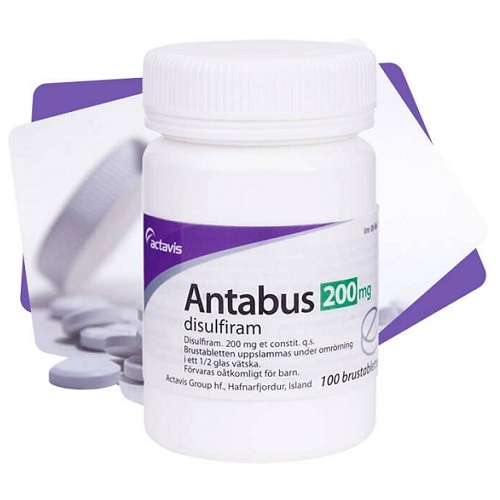
Can you legally obtain Antabuse (Disulfiram) in the United States without a prescription?
No, Antabuse (Disulfiram) is a prescription-only medication in the United States, regulated by the U.S. Food and Drug Administration (FDA). Purchasing or using Antabuse without a valid prescription is illegal and potentially dangerous. Always consult a qualified healthcare provider for appropriate diagnosis and treatment.
Key Takeaways: Antabuse at a Glance
- Active Ingredient: Disulfiram, used for alcohol dependence
- Prescription Required in United States: Yes
- Main Action: Inhibits enzyme aldehyde dehydrogenase, causing unpleasant effects if alcohol is consumed
- Peak Effect: Occurs within 12 hours, can last up to 2 weeks after last dose
- Absolute Contraindication: Recent alcohol intake, severe heart or liver disease, psychosis
- Common Side Effects: Drowsiness, headache, metallic taste, skin rash
- Current (2026) Estimated Price: $50–$90 for 30 tablets (250 mg each)
- Legal Status: FDA-approved, only dispensed by licensed U.S. pharmacies with prescription
How Does Antabuse Work? (Mechanism of Action Explained)
Antabuse, with the active compound disulfiram, acts as an irreversible inhibitor of the enzyme aldehyde dehydrogenase (ALDH) in the liver. Under normal conditions, when a person consumes alcohol, ethanol is rapidly converted first to acetaldehyde (a toxic metabolite), then to harmless acetic acid by ALDH. By inhibiting ALDH, Antabuse causes acetaldehyde to accumulate in the bloodstream, resulting in unpleasant physiological reactions: flushing, headache, rapid heartbeat, nausea, vomiting, and anxiety.
This aversive reaction typically begins within 10–30 minutes of alcohol intake and can last several hours. Unlike medications that curb craving, Antabuse does not treat the root psychological causes of alcohol dependence but establishes a strong deterrent by making alcohol consumption physically uncomfortable.
Metaphor: Imagine your body has a “toxic alarm system.” Antabuse disables your ability to clear out the “alarm chemical” (acetaldehyde), so even a small amount of alcohol triggers a blaring warning signal.
The effect of disulfiram persists for up to 1–2 weeks after the last dose, so accidental alcohol consumption during this period can still result in a reaction.
Expert Commentary from doctor
In my years prescribing Antabuse, the biggest misconception I encounter is that it “cures” alcoholism. In fact, it’s a deterrent, not a cure. Patients sometimes believe they can safely drink soon after stopping the medication—not realizing the drug’s effects can last up to two weeks. I always emphasize: accidental or intentional drinking during this window can lead to severe, sometimes life-threatening reactions. Another issue is intentional nonadherence—patients skip doses so they can drink, defeating the purpose. I advise close family involvement and encourage the use of pill boxes or supervised administration, especially in the early stages. Antabuse is most effective as part of a comprehensive treatment plan, including therapy and ongoing support.
How Should You Take Antabuse? (Dosage, Timing, and Duration)
| Parameter | Standard Regimen | Notes |
|---|---|---|
| Initial Dose | 500 mg once daily for 1–2 weeks | Administer in the morning; may split for GI intolerance |
| Maintenance Dose | 250 mg once daily | Range: 125–500 mg based on tolerance and response |
| Maximum Dose | 500 mg daily | Do not exceed |
| Special Populations | Start at 125 mg | Elderly, hepatic or renal impairment |
| Tablet Splitting | Permitted (scored tablets) | Check manufacturer’s instructions |
| When to Take | Morning with/after breakfast | Reduces drowsiness |
| Duration | Individually determined | Commonly 3–12 months with periodic reassessment |
Important: Do not start Antabuse until at least 12 hours have passed since last alcohol intake (ideally 24 hours), and after confirming by breath or blood test if needed. Always follow the prescribing doctor’s instructions.
What Foods, Alcohol, and Lifestyle Factors Affect Antabuse?
- Alcohol
- Strictly prohibited. Even small amounts (e.g., mouthwash, sauces, some desserts) may trigger a severe reaction. Avoid all ethanol-containing products—including some over-the-counter medicines and topical products.
- Food
- No significant interaction with food overall. High-fat meals may delay absorption slightly, but clinical impact is minimal. Take with food if stomach upset occurs.
- Grapefruit Juice
- No clinically significant interaction documented, unlike some other medications.
- Caffeine
- No direct interaction, but large amounts may worsen anxiety or palpitations if a disulfiram-alcohol reaction occurs.
- Other Substances
- Be cautious with substances containing hidden alcohol: tinctures, hand sanitizers, e-cigarette liquids, or unlabelled foods.
Bottom line: Vigilance is essential—many routine products may contain alcohol in hidden forms.
Who Should NOT Take Antabuse? (Absolute and Relative Contraindications)
| Type | Condition | Explanation |
|---|---|---|
| Absolute | Recent alcohol ingestion (<12 hours) | High risk of acute disulfiram-alcohol reaction |
| Absolute | Severe myocardial disease/coronary occlusion | Reaction can cause arrhythmias or heart failure |
| Absolute | Psychosis (current/past) | Worsening of psychiatric symptoms reported |
| Absolute | Severe hepatic impairment/cirrhosis | Disulfiram is metabolized in the liver |
| Absolute | Hypersensitivity to disulfiram or excipients | Risk of allergic reaction |
| Relative | Mild-moderate renal or hepatic impairment | Requires dose adjustment and monitoring |
| Relative | Cardiovascular disease (mild/moderate) | Monitor for arrhythmias or BP changes |
| Relative | Pregnancy/Breastfeeding | Use only if benefits outweigh risks (see FDA guidelines) |
| Relative | Elderly patients | Start with lower dose; monitor closely |
In short: The main risks are with heart, liver, or psychiatric conditions, and with recent alcohol use. Always disclose your full medical history to your provider.
What Side Effects Are Most Common with Antabuse?
Frequency Classification (per WHO standard):
- Very Common (>1 in 10):
- Drowsiness
- Headache
- Metallic or garlic-like taste
- Common (1 in 100 to 1 in 10):
- Skin rash or acne
- Impotence or decreased libido
- Liver enzyme elevation
- Peripheral neuropathy (tingling/numbness in hands/feet)
- Rare (<1 in 1,000):
- Severe hepatitis or acute liver failure
- Psychosis
- Severe allergic reaction (anaphylaxis)
- Very Rare (<1 in 10,000):
- Optic neuritis (vision changes)
- Peripheral neuropathy (severe)
Mechanism: Many of these side effects, such as drowsiness and metallic taste, are linked to disulfiram metabolites affecting neural and hepatic pathways. Severe reactions are rare but require immediate medical attention.
If you notice jaundice, dark urine, persistent nausea/vomiting, or behavioral changes—stop the medication and seek medical care immediately.
Common Patient Mistakes Observed by doctor
- Assuming small amounts of alcohol are safe: Even minimal alcohol (hidden in sauces, desserts, medicines) can trigger a reaction. How to avoid: Scrutinize all labels and ask your provider about alcohol-containing products.
- Stopping Antabuse before a planned drinking event: The medication’s effects can last up to 2 weeks post-discontinuation. How to avoid: Discuss any plans or concerns with your doctor before stopping.
- Self-adjusting the dose: Reducing the dose without supervision may decrease effectiveness; increasing it may raise the risk of side effects. How to avoid: Only change your regimen with your provider’s approval.
- Forgetting to inform all healthcare providers: Other doctors may prescribe medications or recommend treatments containing alcohol. How to avoid: Carry a medication card or list noting Antabuse use.
- Not telling family or trusted friends: Lack of support may undermine adherence or awareness in emergencies. How to avoid: Involve a support person in your treatment plan.
- Not recognizing early signs of liver dysfunction: Ignoring symptoms like yellowing eyes or skin can be dangerous. How to avoid: Report such symptoms promptly and attend all follow-up labs.
How Does Antabuse Compare to Alternatives? (Comparison Table)
| Medication | Mechanism | Onset | Duration | Key Side Effects | Estimated Monthly Cost (2026, USD) | Prescription? |
|---|---|---|---|---|---|---|
| Antabuse (Disulfiram) | ALDH inhibitor (aversive agent) | 24 hours | Up to 2 weeks after last dose | Reaction with alcohol, drowsiness, rash | $50–$90 (30x250mg) | Yes |
| Naltrexone (oral/tablet) | Opioid receptor antagonist (reduces craving) | 1–2 hours | 24 hours | Nausea, headache, liver enzyme ↑ | $60–$110 (30x50mg) | Yes |
| Acamprosate | Modulates GABA/glutamate (relapse prevention) | Several days | Continuous dosing | Diarrhea, insomnia, muscle pain | $85–$130 (60x333mg) | Yes |
Summary: Antabuse is unique as an aversive deterrent, while naltrexone and acamprosate target craving or withdrawal. Each has distinct dosing, costs, and side effect profiles. Selection depends on patient preference, comorbidities, and provider judgment.
Questions Frequently Asked to doctor
- Can I drink alcohol a few days after stopping Antabuse?
- No. Disulfiram’s effects may persist for up to 14 days after the last dose. Drinking alcohol within this period could still cause a severe reaction. I advise waiting at least two weeks and only under medical supervision.
- What should I do if I miss a dose?
- If you remember within 12 hours, take the missed dose as soon as possible. If more time has elapsed, skip the missed dose and continue with your regular schedule. Never double up to “catch up.”
- Are there interactions I need to worry about with other medications?
- Yes. Some medications—including metronidazole, certain antidepressants, and warfarin—may interact with Antabuse. Always inform your doctor and pharmacist about all medications and supplements you take.
- Is Antabuse safe for long-term use?
- For many, Antabuse can be used for several months to a year or longer, provided regular monitoring of liver function and side effects. Long-term safety data are generally reassuring but ongoing evaluation is essential.
- Can elderly patients use Antabuse?
- Yes, but starting at a lower dose is usually recommended. Elderly individuals may be more sensitive to side effects, so periodic liver and neuro checks are important.
- Does Antabuse help with alcohol cravings?
- No. It does not reduce craving directly. It works by making alcohol use physically unpleasant, which may provide a psychological deterrent. Combining with therapy is more effective for craving management.
Key Characteristics of Antabuse (Quick Reference Table)
| Parameter | Value |
|---|---|
| Active Ingredient | Disulfiram |
| Usual Dosage | 250–500 mg once daily |
| Onset of Action | Within 12 hours of first dose |
| Duration of Effect | Up to 2 weeks after last dose |
| Formulation | Tablet (scored) |
| FDA Approval | Yes |
| Available Generics | Yes |
How to Obtain Antabuse Legally in the United States: Step-by-Step Guide
- Consultation with a Qualified Provider: Schedule a visit with a licensed physician, addiction specialist, or psychiatrist (in cities like New York, Los Angeles, Chicago, or via telemedicine nationwide).
- Assessment: The provider will review your medical history, perform necessary labs, and confirm suitability for Antabuse.
- Prescription: If appropriate, you’ll receive a written or electronic prescription, compliant with U.S. law.
- Pharmacy Dispensing: Fill your prescription at a licensed U.S. pharmacy. FDA-approved generics are available, often at major chains and local independent pharmacies.
- Follow-up: Plan regular check-ins (in-person or via telehealth) for monitoring and support.
Note: Some insurers may cover Antabuse, depending on your plan. Prior authorization may apply.
Is It Legal and Safe to Buy Antabuse Online in the United States?
Buying Antabuse without a prescription from online sources is illegal and unsafe in the United States. Genuine U.S. online pharmacies will always require a valid prescription and display certification by NABP (National Association of Boards of Pharmacy) or LegitScript.
- Purchasing from non-certified or foreign websites risks receiving counterfeit, contaminated, or subtherapeutic products.
- Importing prescription medications without proper documentation may result in customs seizure and legal consequences.
- Always check for the pharmacy’s certification on the NABP Safe.Pharmacy site.
Myth vs. Reality: Myth: All online pharmacies are legitimate if they appear professional. Reality: Many are not accredited, and may endanger your health.
How to Identify Genuine Antabuse and Avoid Counterfeits
- Packaging: FDA-approved Antabuse and generics come in tamper-evident, sealed blisters or bottles, with clear lot numbers and expiration dates.
- Tablet: Round, white or off-white, may have a scored line and imprint (check manufacturer’s site for details).
- Labeling: English-language label with drug name, strength, manufacturer, and “Rx only” statement.
- Price: Unusually low prices may indicate counterfeit or imported products. U.S. retail prices typically range $50–$90 for 30 tablets (250 mg).
- Verification: Some manufacturers include QR codes or holograms; scan if provided.
- Generics: FDA-approved generics are equivalent in active ingredient and efficacy, but may have different excipients (inactive ingredients) that rarely cause allergic reactions. Ask your pharmacist if you have history of allergies.
When in doubt: Contact your pharmacist for verification. Never buy from unverified sources.
Compatibility Check: Antabuse with Other Medications or Products
| Product/Medication | Can Be Combined? | Consequence/Risk |
|---|---|---|
| Common painkillers (acetaminophen, ibuprofen) | Yes | No significant interaction |
| Metronidazole | NO | Severe reaction (psychosis, confusion) |
| Warfarin | With caution | May increase anticoagulation effect; monitor INR |
| Antidepressants (SSRIs) | Yes, with monitoring | Rare cases of increased side effects |
| Antihistamines | Yes | Minimal risk |
| Nitroglycerin | NO | Risk of sudden drop in blood pressure |
| Topical alcohol products | NO | Possible local/systemic reaction |
Always disclose all medications and supplements to your provider before starting Antabuse.
What Happens Inside Your Body? (Pharmacokinetics of Antabuse)
Antabuse (disulfiram) is well absorbed after oral ingestion. Peak plasma concentrations are reached in 8–12 hours. It is rapidly distributed throughout body tissues and accumulates in fat, which partly explains its prolonged effect. Metabolism occurs primarily in the liver, producing carbon disulfide (CS2) and diethylthiomethylcarbamate.
Excretion: Mainly in urine (~80–90%), with a small portion in feces and breath. Elimination half-life: 60–120 hours (varies with hepatic function and duration of therapy). Impaired liver function increases the risk of accumulation and adverse effects.
Practical takeaway: Even after stopping Antabuse, enzyme inhibition lasts up to 2 weeks. Plan accordingly if undergoing surgery or medical procedures.
Is Antabuse Safe for Specific Patient Groups?
- Elderly: May need lower initial dose; increased risk of peripheral neuropathy and drowsiness. Monitor liver function more frequently.
- Hepatic/Renal Impairment: Contraindicated in severe hepatic disease. Use with caution and dose adjustment in mild/moderate impairment.
- Cardiovascular Disease: Contraindicated in severe cases. Use with caution and close monitoring in others.
- Pregnancy: Use only if benefits clearly outweigh risks. Animal studies show some fetal risk; limited human data. Consult your obstetrician and addiction specialist.
- Breastfeeding: Disulfiram and metabolites are excreted in human milk; avoid use unless necessary.
- Driving and Machinery: May cause drowsiness or reduced alertness, especially early in therapy or with alcohol exposure. Avoid hazardous activities if affected.
- Fertility: No clear evidence of adverse effects on fertility in humans, but data are limited.
If you belong to a specific group, individualized assessment is essential.
Original Antabuse vs Generics: What’s the Difference?
- Original Antabuse: Manufactured by Odyssey Pharmaceuticals and other FDA-approved brands; consistent quality, extensive post-market data.
- Generics: Multiple FDA-approved generic disulfiram tablets available in the U.S. They must demonstrate bioequivalence—same active ingredient, strength, purity, and effect.
- Excipients: Inactive ingredients may differ (tableting agents, colorants), rarely causing allergic reactions in sensitive individuals.
- Cost: Generics are typically 20–40% less expensive than brand-name Antabuse, but effectiveness is equivalent.
Bottom line: Unless you have a specific allergy to a component in a generic, you can confidently use either original or generic formulations. Ask your pharmacist if you have any concerns.
Overcoming Stigma: Psychological Support for Alcohol Dependence
Alcohol dependence is a medical condition, not a moral failing. Many people struggle with it, and effective help is available. Medications like Antabuse are only part of the picture—counseling, social support, and family involvement make recovery more likely. Don’t hesitate to reach out to a mental health provider or support group.
What helps most: Open dialogue with your healthcare team, honest communication with loved ones, and a willingness to ask for help.
What to Do in Case of Suspected Overdose: Immediate Actions
- Stop using Antabuse immediately.
- Call 911 or emergency medical services (EMS) in the United States.
- Inform the medical team of the amount and time of ingestion.
- Do not induce vomiting unless instructed by a healthcare provider.
- Bring the medication packaging with you to the hospital if possible.
- Monitor for symptoms: nausea, vomiting, hypotension, confusion, or severe drowsiness.
- Supportive care and monitoring will be provided in the hospital; there is no specific antidote for disulfiram overdose.
Prompt action can be life-saving.
What Should I Do If Antabuse Does Not Work?
If you’re still drinking despite Antabuse, contact your doctor immediately. Non-response often reflects either missed doses, intentional nonadherence, or underlying psychological drivers that medication alone cannot address.
- Review adherence: Are you taking medication as prescribed?
- Discuss psychosocial factors: Many benefit from combining medication with counseling, support groups, or cognitive-behavioral therapy.
- Alternative medications: Options like naltrexone or acamprosate may be better suited in some cases.
- Reassess goals: Discuss your readiness for change and address ambivalence with a provider.
Professional Opinion of doctor
In my view, Antabuse is most beneficial for motivated individuals who want a firm deterrent against drinking but struggle with impulse control, especially when environmental triggers are present. It’s not a panacea—patients must understand the risks of drinking even trace amounts of alcohol while on this medication. The major benefits are its long-lasting aversive effect and oral, once-daily dosing. However, it does not address cravings or psychological factors. For those with significant mental health or liver conditions, or for patients unable to commit to abstinence, alternatives like naltrexone or acamprosate might be safer or more appropriate. Ultimately, Antabuse should be part of a comprehensive treatment plan, including counseling and regular follow-up, not a stand-alone solution.
FAQ: People Also Ask
- Is Antabuse effective for everyone with alcohol dependence?
- No. It is most effective when motivation and social support are present. Not all patients benefit equally.
- Can I buy Antabuse without a prescription in the United States?
- No. It is illegal and dangerous to obtain Antabuse without a valid prescription in the U.S.
- What happens if I accidentally ingest alcohol while on Antabuse?
- You may experience severe flushing, nausea, vomiting, rapid heartbeat, or even dangerous drops in blood pressure. Seek medical care immediately.
- Is Antabuse safe for people with liver disease?
- It is contraindicated in severe liver disease and used with caution in mild cases. Liver function tests are necessary before and during treatment.
- How long do Antabuse’s effects last after stopping?
- Up to 14 days. Do not drink alcohol during this window.
- Does insurance cover Antabuse in the United States?
- Many private and public insurers cover Antabuse. Check with your individual plan for details.
- Can Antabuse be used together with other addiction medications?
- Usually not with naltrexone or acamprosate, but discuss with your provider. Some combinations may be used in specialized settings.
References
- U.S. Food and Drug Administration (FDA): https://www.fda.gov/
- National Institute on Alcohol Abuse and Alcoholism (NIAAA): https://www.niaaa.nih.gov/
- PubMed: Skinner MD et al. “Current approaches to the management of patients with alcohol dependence.” (2024). https://pubmed.ncbi.nlm.nih.gov/
- Mayo Clinic: Disulfiram (oral route) medication guide. https://www.mayoclinic.org/drugs-supplements/disulfiram-oral-route/description/drg-20068532
- American Society of Addiction Medicine (ASAM): https://www.asam.org/
- ClinicalTrials.gov: Disulfiram studies. https://clinicaltrials.gov/
- National Alliance for Model State Drug Laws (NAMSDL): https://www.namsdl.org/
- National Association of Boards of Pharmacy (NABP): https://safe.pharmacy/